


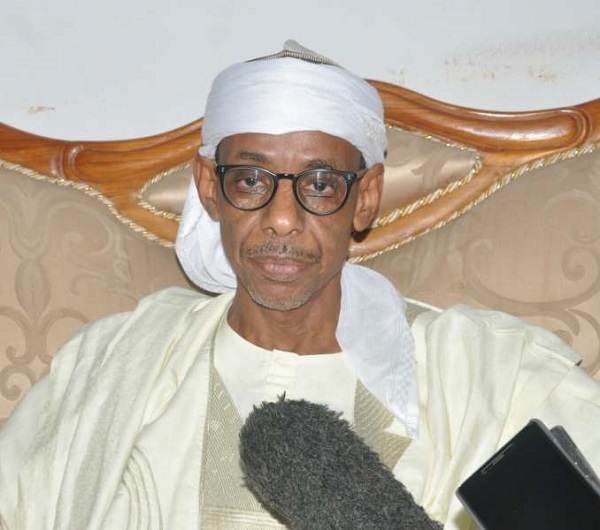
Former Special Adviser on Political Affairs to the President, Hakeem Baba-Ahmed, has launched a sharp critique of the Bola Tinubu administration, accusing it of failing to live up to expectations and of doing little to improve the everyday lives of Nigerians.
Speaking during an appearance on Channels Television’s Political Paradigm on Tuesday, Baba-Ahmed did not mince words as he evaluated the government’s performance one year into Tinubu’s presidency.
“Clearly, the Tinubu administration has failed expectations that it was going to radically improve the quality of governance,” said the former spokesperson for the Northern Elders Forum (NEF).
“Don’t Be Fooled by Statistics”
Baba-Ahmed dismissed glowing international assessments and statistics cited by government officials, urging Nigerians to judge the administration by its impact on the ground.
“They will tell you they are doing great with all the World Bank statistics and international ratings, but that’s not how you measure government success,” he said. “You measure by the way citizens live — and if that’s the yardstick, then this administration is falling short.”
He also noted that his resignation from the Vice President’s office was partly motivated by concerns about governance and the direction of the administration.
Cost of Living and Fuel Subsidy Fallout
Among the key grievances Baba-Ahmed raised was the removal of fuel subsidies, which he said has worsened the plight of ordinary Nigerians.
“The quality of life has taken a huge hit. The subsidy removal was meant to help the economy, but it has instead deepened poverty and hardship,” he added.
The economic strain has also exposed weaknesses in how funds are managed, particularly at the state level, prompting Baba-Ahmed to call for stronger federal oversight.
“Use Presidential Power Wisely”
Baba-Ahmed called on President Tinubu to exercise more control over state governors, especially those in the ruling All Progressives Congress (APC), to ensure that federal allocations and intervention funds are properly used.
“So much waste, so much abuse of resources, and corruption going on,” he lamented. “The president must take steps to increase accountability across all three tiers of government.”
He also emphasized that national development depends not only on economic reform but on tangible investment in infrastructure, security, and poverty reduction.
What’s Next?
Baba-Ahmed’s comments add to a growing wave of dissatisfaction among political elites and the public. While Tinubu’s administration has made ambitious economic reforms—including floating the naira and ending fuel subsidies—the social costs have been steep, with inflation and unemployment on the rise.
As 2027 approaches, the pressure is mounting for the President to not only defend his policy choices but deliver real, measurable improvements in Nigerians’ daily lives.
Bottom Line: Baba-Ahmed’s critique reflects broader frustrations with the Tinubu administration’s early performance—particularly around economic hardship, corruption, and accountability. As expectations remain high, the window for tangible change is narrowing.
