


In the face of escalating insecurity across the country, the Federal Government is making a case for action over discussion. On Tuesday, the Senate moved to convene a two-day national security summit aimed at tackling the growing wave of violence, kidnappings, and insurgency.
But the executive arm seems to have a different approach in mind.
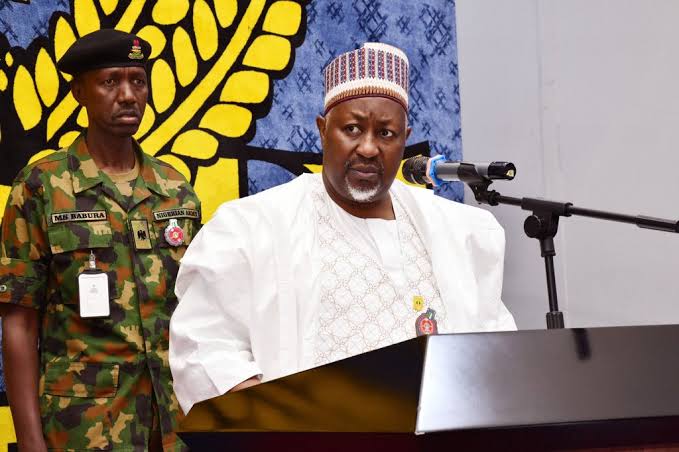
Minister of Defence Mohammed Badaru, speaking at a ministerial briefing in Abuja on Wednesday, challenged the relevance of yet another summit, arguing instead for a total overhaul of Nigeria’s military tactics and strategy.
“Strategy is far more important than summit,” Badaru said. “But summit will give you some inputs for the strategy.”
While acknowledging that summits can serve as platforms for gathering public opinion and expert suggestions, Badaru emphasized that meaningful change lies in concrete action. According to him, it’s not enough to talk; the real transformation must come from deliberate rethinking and restructuring of military operations.
Badaru also highlighted efforts already underway within the defence sector, including consultations with former defence ministers and service chiefs to glean insights from past administrations. He stated that these engagements are part of a broader move to realign the military’s strategy with current realities on the ground.
In a critical rebuttal to claims that terrorists may be better equipped than Nigeria’s forces, the minister assured Nigerians that the armed forces possess superior firepower and capability. “The nation’s military is well-equipped,” he stated, dismissing the narrative that non-state actors hold the upper hand.
The debate between holding summits and overhauling strategy reflects a deeper issue in Nigeria’s fight against insecurity: the need to move from rhetoric to results. While discussions can be useful, Nigerians are growing increasingly impatient with the cycle of talkshops that yield little change on the ground.
The Minister’s stance brings into sharp focus what many have been saying for years—Nigeria doesn’t need more conferences; it needs coordinated, well-thought-out action. And perhaps now, with renewed urgency, the time has come to stop talking and start acting.
