


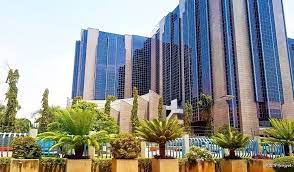
In a major shift reflecting a new policy direction, the Central Bank of Nigeria (CBN) has cut its net loans and receivables by over ₦4.1 trillion in 2024. This reduction comes amid sweeping reforms under Governor Yemi Cardoso, aimed at restoring fiscal discipline and strengthening monetary policy.
According to the CBN’s audited financial statements, net loans dropped from ₦16.1tn in 2023 to ₦11.98tn at the bank level — largely due to a drastic cut in the Ways and Means overdraft to the Federal Government. This facility, once a major lifeline for the government’s short-term funding gaps, was reduced by nearly 59%, from ₦7.95tn to ₦3.27tn.
This sharp decline follows the National Assembly’s 2023 decision to securitise ₦22.7tn of the government’s overdrafts, converting them into long-term debt instruments to tame inflation and reinforce central bank independence. So far, ₦7.3tn has been repaid, signaling the FG’s commitment to moving away from excessive CBN financing.
Governor Cardoso, who took office in 2023, has made it clear that the CBN will no longer operate as a development bank. He believes that interventionist lending — once seen as economic stimulus — actually distorted the economy and weakened private sector credit flow.
Key highlights from the 2024 report include:
- Gross loans dropped by ₦3.6tn, reflecting broad de-risking across loan categories.
- Expected Credit Loss provisions increased to over ₦1.8tn, indicating tighter credit monitoring.
- Major intervention loans — such as the Anchor Borrowers’ Programme, Real Sector Support, and Commercial Agric Credit Scheme — saw significant recoveries.
- The once-controversial NESI Stabilisation Strategy Loan (for the power sector) was completely cleared.
- The Standing Lending Facility (SLF) jumped from ₦29bn to ₦387bn, suggesting stronger interbank activity and liquidity management.
The biggest shift? The CBN phased out new intervention loans and is now focused on recovering outstanding debts — over ₦252bn recovered in 2024 alone. Cardoso has emphasized the need for transparency, warning that failed interventions “do more damage than good.”
This pivot has sparked debate. Supporters say it’s a return to sound monetary governance. Critics, however, argue that the interventions, though flawed, helped shield sectors like agriculture and manufacturing during tough times.
But one thing is clear: the era of unmonitored, large-scale central bank lending is over. The 2024 financials confirm that under Cardoso, the CBN is doubling down on discipline, stability, and reform.
