


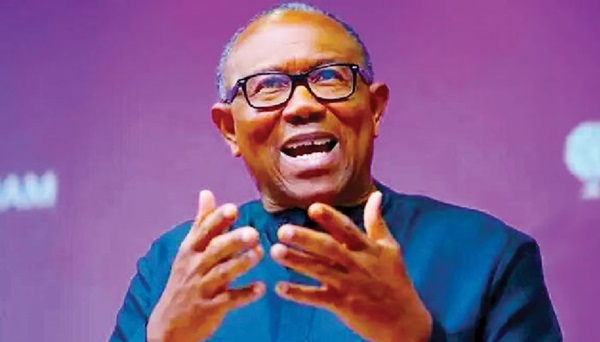
During a recent visit to Abuja, Peter Obi, former presidential candidate of the Labour Party, made it clear that his advocacy is not a personal battle against President Bola Tinubu—but a stand against the broader issues plaguing Nigeria.
“I and the president are not fighting,” Obi told journalists during his stop at the Anglican Hospital Diocese of Kubwa and the Anglican Comprehensive Secondary School. “I’m not fighting anybody. My fight is against bad governance, hunger, poverty, out-of-school children, and people not having health services.”
Obi’s message was focused on the real challenges many Nigerians face daily: failing health infrastructure, inadequate access to education, and widespread poverty. He emphasized a staggering statistic—less than 10% of Nigerians have health insurance coverage. “It should be 100%,” he stated plainly, underscoring the disconnect between the country’s political leadership and the basic needs of its people.
This isn’t the first time Obi has raised concerns about governance. Just last month, he compared Nigeria’s poverty levels to countries like Indonesia, China, and Vietnam, arguing that Nigeria’s poor are more numerous despite the country’s vast resources. The comment drew criticism from Lagos Governor Babajide Sanwo-Olu, who accused Obi of “demarketing Nigeria” on the global stage.
But Obi pushed back, saying that confronting the country’s problems head-on is not the same as tearing it down. “Acknowledging reality is the first step toward change,” he seemed to imply.
Whether you agree with his politics or not, one thing is clear: Obi is committed to drawing attention to the issues many Nigerians face—and he’s not shying away from challenging the status quo.
