


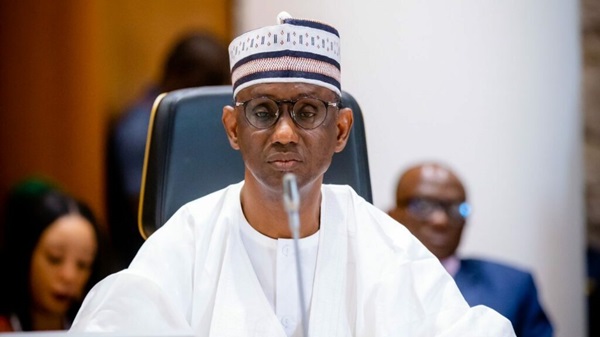
National Security Adviser Nuhu Ribadu has declared that the notorious sit-at-home orders enforced by terror groups in Nigeria’s South-East are increasingly ineffective, signaling what he described as a turning point in the region’s return to normalcy.
Ribadu made this assertion on Thursday during a presentation at the All Progressives Congress (APC) National Summit, where he detailed the security milestones achieved under President Bola Tinubu’s administration.
Key Highlights from Ribadu’s Security Briefing:
- South-East Security Gains:
- Sit-at-home orders by the Indigenous People of Biafra (IPOB) and its armed wing, Eastern Security Network (ESN), are losing influence.
- Key agitators have been captured or neutralised.
- Over 50 police stations and multiple posts have been rebuilt.
- Attacks on security personnel have significantly declined, and economic activity is gradually rebounding.
- North-East (Boko Haram Insurgency):
- Over 13,543 insurgents neutralised in the last two years.
- More than 11,000 weapons recovered and destroyed.
- An impressive 124,408 fighters and their families have surrendered since Tinubu took office.
- North-West (Banditry Crisis):
- Described as a “watershed year” with 11,250 hostages rescued.
- Several high-profile warlords — including Ali Kachalla, Boderi, and Halilu Sububu — have been neutralised or incapacitated.
- Other Trouble Spots:
- Ongoing military operations in Timbuktu Triangle, Tumbu Islands, and other remote terrorist hideouts.
- Government also confronting unrest in the Niger Delta, and communal/herder-farmer conflicts in the North-Central region.
A Measured Tone Amid Progress
While Ribadu acknowledged that the country still faces security challenges, he underscored the strategic coordination and multi-agency efforts driving recent successes.
“Social and economic activities are normalising. We are making real progress, and the tide is turning,” he said.
Final Thoughts
Ribadu’s address paints a cautiously optimistic picture of Nigeria’s security outlook, especially in regions once gripped by fear and lawlessness. While the numbers are encouraging, many observers will be watching closely to see if this momentum can be sustained — and translated into long-term stability and peace.
