


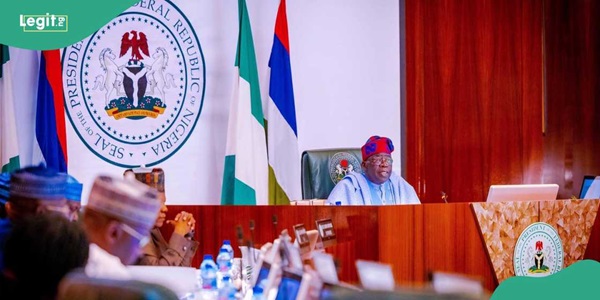
As President Bola Tinubu marks two years in office, organised labour in Nigeria has delivered a starkly critical assessment of his administration’s economic reforms and policies. The Nigeria Labour Congress (NLC) condemned the government’s approach, arguing that rather than bringing relief, Tinubu’s policies have inflicted widespread pain and hardship on Nigerians.
Labour’s Perspective: Rising Hardship and Failed Reforms
The NLC President, Joe Ajaero, described Tinubu’s administration as recycling failed neoliberal policies that have deepened poverty, pushing over 150 million Nigerians into multidimensional poverty. Ajaero highlighted the sudden removal of the petrol subsidy as a major shock to the economy, with fuel prices tripling overnight and triggering inflation that squeezed workers and businesses alike.
Labour also criticized the government’s unification of multiple exchange rates, which they say accelerated the naira’s collapse and imported inflation, making basic goods unaffordable. They argued that these policies mirror past International Monetary Fund (IMF)-approved austerity measures that consistently failed to improve Nigerians’ lives.
Beyond economics, the labour movement raised concerns about growing insecurity, unpaid wages, intimidation of labour leaders, and what they see as authoritarian tendencies from the government. Several state-level union leaders echoed these concerns, questioning the government’s claims that “the worst days are over,” pointing to persistent high costs of living, insecurity, and inadequate minimum wage adjustments.
Government’s Response: Tough Reforms for Long-Term Stability
In contrast, the ruling All Progressives Congress (APC) defended President Tinubu’s record. APC National Vice Chairman (South-East), Dr. Ijeoma Arodiogbu, accused the NLC of superficial analysis and misrepresenting the situation. The APC insisted that Tinubu’s reforms, though painful, are necessary to restore economic stability and build a stronger nation.
Tinubu himself, in a national broadcast, acknowledged the difficulties caused by reforms but emphasized the growth in Nigeria’s external reserves—from $4 billion in 2023 to over $23 billion in 2024—and pledged continued efforts to tackle corruption, improve security, and lift Nigerians out of poverty.
The government also pointed to initiatives like the Presidential Compressed Natural Gas (CNG) program and palliative measures such as cash transfers to mitigate the impact of subsidy removal on vulnerable Nigerians.
A Divided Verdict
The debate reveals a nation divided between optimism and hardship. Labour unions emphasize the everyday struggles of Nigerians grappling with inflation, insecurity, and poor wages, calling for policies that prioritize workers and domestic production over austerity and foreign debt.
Meanwhile, the government stresses the necessity of difficult reforms for Nigeria’s long-term economic health, urging patience and trust in the “Renewed Hope Agenda.”
As Nigeria navigates this challenging phase, the key question remains: will these reforms eventually translate into tangible improvements for the majority of Nigerians, or will the current hardships deepen social discontent?
