


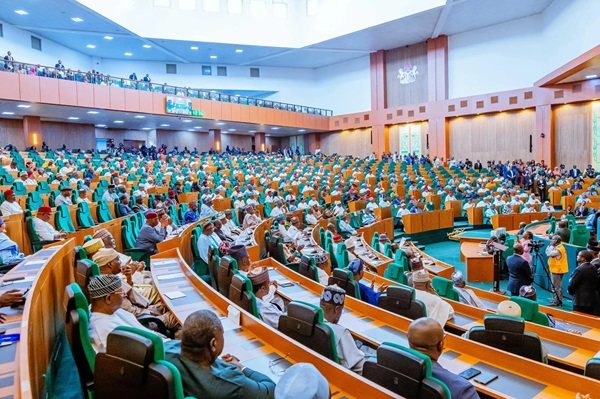
The Nigerian House of Representatives has issued a 24-hour ultimatum to the West African Examinations Council (WAEC), demanding accountability for widespread delays and irregularities in the ongoing 2025 West African Senior School Certificate Examination (WASSCE).
Late Exams Spark Outrage
The 2025 WASSCE, which began on April 24 and is scheduled to end on June 20, faced a major disruption this week when the crucial English paper—originally set for May 28—was delayed by several hours across multiple centres. Reports indicate that some students were forced to write the paper as late as midnight, leading to frustration, exhaustion, and public concern.
WAEC attributed the delays to increased logistical precautions aimed at preventing question leaks, but this explanation has not satisfied the public—or lawmakers.
House Committee Demands Answers
Reacting to the uproar, Oboku Abonsizibe Oforji, chairman of the House Committee on Basic Education and Examination Bodies, summoned WAEC to appear before the committee by Friday, May 30. He criticized the council’s failure to honour an earlier invitation on May 27 and described their continued absence as “unacceptable.”
“The examinations have been riddled with serious irregularities,” Oforji said. “We’ve received reports of students writing exams as late as midnight in some centres. Something is wrong, and it must be addressed.”
Potential Legislative Action Looms
Oforji emphasized that the committee is not out to attack WAEC, but to seek transparency and protect the interests of students and parents. However, he warned that lawmakers may invoke constitutional powers if WAEC fails to respond.
“This is not about witch-hunting,” he said. “We need answers that can calm public anxiety and ensure such failures do not happen again.”
Public Trust on the Line
WAEC’s handling of this year’s exams—particularly the delay of core papers like English—has sparked a national conversation about the council’s preparedness and reliability. As students, parents, and educators await WAEC’s appearance before lawmakers, many are calling for reforms to ensure exams are conducted efficiently and fairly.
With education at the heart of national development, stakeholders insist that restoring confidence in public examination bodies must be a top priority.
