


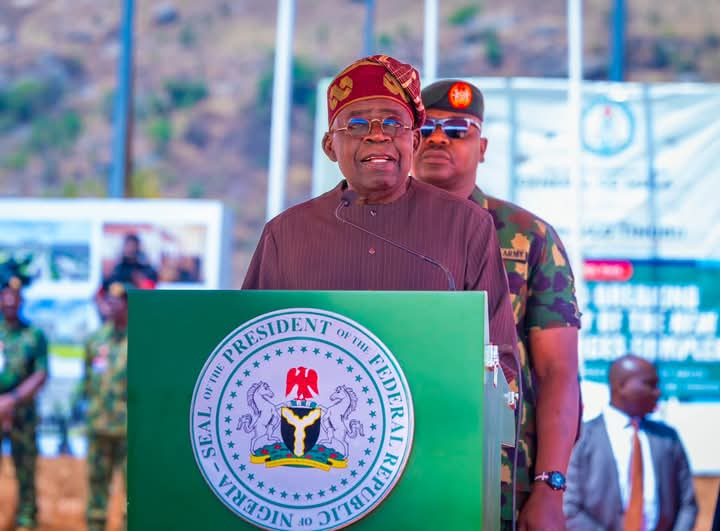
As Nigeria marks its 26th Democracy Day, protests spearheaded by the Take It Back (TIB) Movement are unfolding across 20 locations nationwide, with the most prominent rally set for the National Assembly in Abuja. The protests, demanding an end to what organisers call “two years of misrule, hardship, and insecurity” under President Bola Tinubu’s administration, coincide with the President’s address to a joint session of the National Assembly, raising fears of confrontation.
No Broadcast, But an Address
President Tinubu cancelled his nationwide Democracy Day broadcast in favour of a speech directly from the National Assembly. The change, announced by the SGF’s office, is seen as symbolic but has also positioned the federal legislature as the flashpoint of potential political drama.
Protests Spark National Response
The TIB Movement, led by activist Juwon Sanyaolu, insists that the protest will proceed peacefully but forcefully, with citizens expected to gather from Lagos to Bauchi to highlight the dire state of the economy, escalating insecurity, and erosion of civil liberties.
“Nigerians have been beaten and battered… We have nothing to lose but our chains,” Sanyaolu said.
Despite reports of police harassment and attacks on TIB coordinators in several states, the group remains undeterred. Locations such as Eagle Square (Abuja), Maryland (Lagos), Olaiya Junction (Osogbo), and Ring Road (Benin City) are expected to see major turnout.
Security Agencies on Alert
In anticipation, security agencies have deployed heavily across the country. Police commissioners and NSCDC operatives in states including Borno, Edo, Delta, Ogun, Ondo, and Oyo confirmed increased patrols and crowd control measures.
While many police commands affirmed their readiness to protect peaceful protesters, others issued strong warnings against any attempts to breach public order. In some states like Kano and Kwara, groups opted for public lectures and workshops rather than protests, citing security concerns and the risk of hijacking by political actors.
Civil Society Joins the Call
Groups such as the #EndBadGovernance Movement and even the Nigerian Bar Association (Ikeja Branch) have backed the protests. The NBA submitted a formal request to the Lagos police, reminding them of their legal obligation under the Police Act to provide security for peaceful assemblies.
“The rally is an expression of the constitutionally guaranteed right to peaceful protest,” the NBA’s letter stated.
Diverging Voices
In contrast, some civil society leaders in volatile states like Rivers and Kano have warned youths against being manipulated for political ends. Former Ijaw Youth Council leader Tamuno Kpokpo cautioned Rivers youths not to fall for provocations, especially amid local political tensions.
What to Watch
- Security response at National Assembly in Abuja.
- Possible flashpoints in Lagos, Edo, and Osun where large crowds are expected.
- Government reaction to civil disobedience—whether conciliatory or confrontational.
- Public sentiment post-protest, particularly if any violence occurs.
This Democracy Day could mark a pivotal moment in Nigeria’s democratic evolution—testing not just the patience of the governed, but the tolerance of those in power.
