


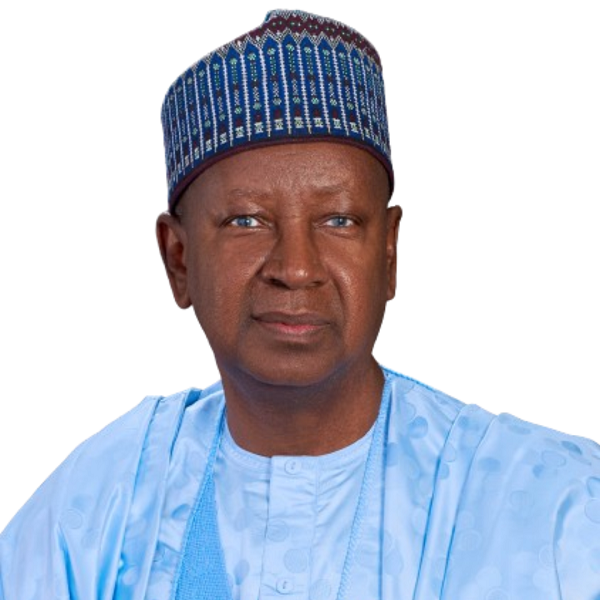
The Economic and Financial Crimes Commission (EFCC) has arrested Umar Isa, the former Chief Financial Officer (CFO) of Nigerian National Petroleum Company (NNPC) Limited, over his alleged involvement in a staggering $7.2 billion refinery rehabilitation fraud.
According to TheCable, Isa’s arrest is part of an ongoing investigation into suspicious fund disbursements for the turnaround maintenance of Nigeria’s three major refineries — Kaduna, Warri, and Port Harcourt — during his time as NNPC CFO.
Widening Probe Targets Top Industry Executives
Isa is not the only high-profile figure in EFCC custody. The agency has also detained Jimoh Olasunkanmi, a former managing director of Warri Refining and Petrochemical Company.
Sources say several others are under investigation for corruption, abuse of office, diversion of public funds, and receiving kickbacks from contractors. Names include:
- Tunde Bakare, current MD of Warri Refinery
- Ahmed Adamu Dikko, former MD of Port Harcourt Refinery
- Ibrahim Monday Onoja, former MD of Port Harcourt Refinery
These arrests are part of a broader crackdown on alleged financial mismanagement in Nigeria’s oil sector — a critical industry long plagued by opacity and underperformance.
What’s Going On with Nigeria’s Refineries?
The scandal centers on the $7.2 billion allocated for turnaround maintenance of the country’s key refineries. Despite the massive investment, only limited progress has been seen.
For instance, the Port Harcourt Refinery has two processing units:
- The old plant (60,000 barrels/day)
- The new facility (150,000 barrels/day) Combined: 210,000 barrels per stream day (bpsd)
Although the old plant resumed crude oil processing in November 2024, the new unit remains under rehabilitation. In May, the Petroleum Products Retail Outlets Owners Association of Nigeria (PETROAN) publicly demanded the completion of works on all three refineries — Port Harcourt, Warri, and Kaduna.
Less than a week later, PHRC announced yet another shutdown for maintenance.
Billions Spent, But Where Are the Results?
The NNPC had insisted that the Port Harcourt refinery was not shut down again, but its operational inconsistencies and repeated delays have fueled public skepticism. Meanwhile, no clear timelines have been given for the full rehabilitation of the Warri and Kaduna refineries, despite billions in spending.
The EFCC is now trying to determine where the money went, how it was used, and whether any part of it was diverted or misappropriated.
What Happens Next?
The investigation is expected to expand as EFCC digs deeper into contracts awarded, payment schedules, and internal approvals connected to the massive refinery project.
For a country heavily reliant on fuel imports despite having refining infrastructure, this case may finally expose why decades of “turnaround maintenance” have delivered very little turnaround.
