


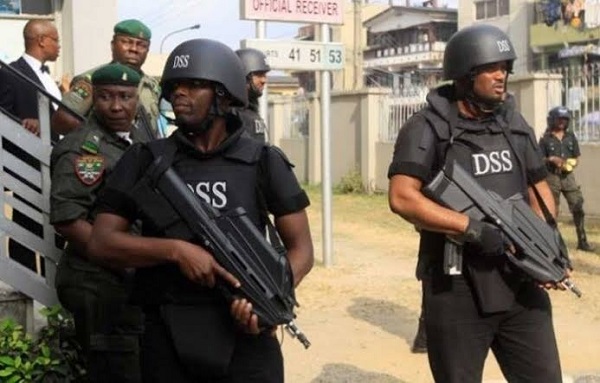
A leaked memo has revealed that Nigeria’s Department of State Services (DSS) warned the military weeks before coordinated attacks killed over 200 people in Benue and Nasarawa states.
The memo, dated May 13, 2025, was addressed to Moses Gara, Commander of Operation Whirl Stroke (OPWS)—a joint security task force comprising the military, police, and DSS. Despite the alert, Yelewata and Daudu communities in Guma Local Government Area (LGA) of Benue were attacked on June 13, leading to one of the deadliest massacres in recent years.
Inside the Memo: A Chilling Warning Ignored?
The DSS intelligence memo, seen by TheCable, outlined plans by suspected Fulani militias to launch violent reprisals in Awe LGA of Nasarawa and various Tiv settlements across Benue State.
The agency said the attacks were in response to the alleged seizure of cattle by the Benue State Government. The intelligence also pinpointed specific communities under threat, including:
- Mararaba, Jangargari, Wurgi, Gidan Antonny, Akon, Usende, Gaar, Vandikya, Chiata, Dooga, Gidan Baban Yara, Apelle, Pantaki, Kaambe, and the Stadium area.
Crucially, Yelewata, which later suffered an attack resulting in over 100 deaths, was mentioned in the memo as one of the targets.
The DSS reported that the militias had conducted meetings in Akpanaja, Rukuhi, and Andori settlements and stationed fighters in forests near the Yelwata-Udei-Ukohol and Kadarko Railway.
“They are currently hibernating in forests between Mkoma and Doka villages in Doma LGA, and also in Ikom forest,” the memo stated.
High-Level Army Meeting Came Too Late
Weeks after the DSS memo, on May 28, OPWS Commander Moses Gara hosted a “high-level meeting” with leaders of the Miyetti Allah Cattle Breeders’ Association of Nigeria (MACBAN) and other security stakeholders in Makurdi, Benue’s capital.
The meeting focused on farmer-herder clashes, kidnappings, and cattle rustling, according to Lawal Osabo, army public relations officer for the 401 Special Forces Brigade.
Despite these efforts, the attacks still occurred—raising serious concerns about coordination failures and the use of misinformation tactics by armed groups.
Troops Misled Before Benue Massacre — Defence Chief
Following the killings, Chief of Defence Staff (CDS) Christopher Musa confirmed that OPWS troops were present in Yelewata on the day of the massacre, but were diverted by a false alarm about an attack in a different community.
“There was a fake attack in the other village. When the troops moved in, that’s when [the attackers] struck Yelewata,” Musa said.
This diversion tactic, allegedly orchestrated using insider information, allowed the attackers to execute their plan with brutal efficiency.
Silence from Defence and Security Authorities
Efforts by TheCable to get official comments were met with silence. Edward Buba, Director of Defence Media Operations, did not respond to calls or messages. Onyinyechi Anele, the Army’s PR Director, deflected the inquiry, saying journalists should “speak to the commander.”
The DSS, which lacks a formal public relations unit, could not be reached for a statement, and Moses Gara was also unavailable at the time of reporting.
What This Means for Benue and Nigeria’s Security Landscape
This leaked memo exposes glaring gaps in Nigeria’s intelligence-to-action pipeline, especially in conflict-prone regions like Benue and Nasarawa. Despite early warnings and strategic meetings, hundreds were still killed in a preventable tragedy.
As attacks on farming communities continue, public trust in security institutions is eroding—and questions remain unanswered:
- Why wasn’t the DSS alert acted upon in time?
- Who bears responsibility for the failure to prevent the massacre?
- What steps are being taken now to protect other vulnerable communities?
Until these questions are addressed, communities like Yelewata remain sitting targets, and the cycle of violence risks repeating itself.
