


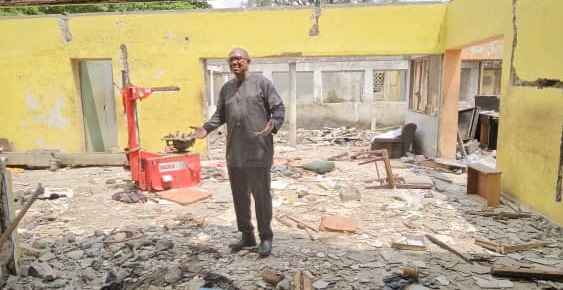
Peter Obi, the Labour Party’s 2023 presidential candidate, has raised alarm over what he described as an “unlawful and coordinated demolition” of a property owned by his younger brother’s company in Lagos State.
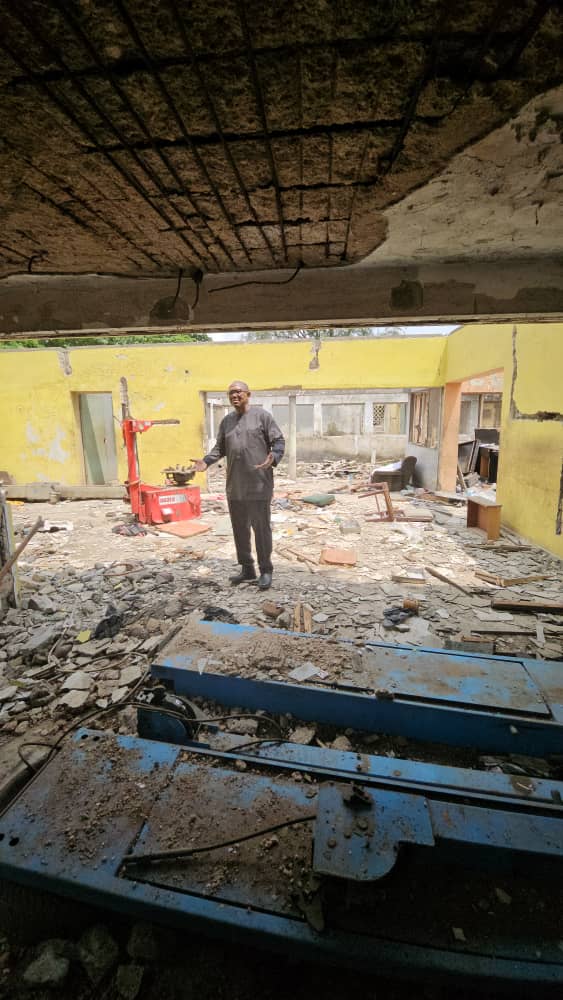
In a post shared on his verified X (formerly Twitter) account on Tuesday, Obi said the building, located in Ikeja, had stood for over 15 years before it was unexpectedly and forcefully demolished by unknown persons allegedly acting on the basis of a court judgment that did not name his brother, the property, or contain any explicit demolition order.
“No Demolition Order, No Identification, No Due Process”
According to Obi, the incident unfolded on Tuesday morning when his brother, just arriving from Port Harcourt, was denied entry by security operatives stationed at the site while demolition was already underway.
“How do you sue an unknown person? How does a court issue a judgment in such a farce of a case? No one was served. No name was written,” Obi questioned in his statement.
The former Anambra governor said he flew in from Abuja to assess the situation personally and was equally barred from entering the premises. He claims that when he demanded legal documentation or a demolition order, none was presented by those carrying out the action.
Legal Grey Area or Abuse of Power?
The key concern raised by Obi is the ambiguity of the court ruling that was cited by the unknown enforcers. He claims that:
- The judgment referred only to “unnamed squatters”
- No demolition clause or authorization was contained in the ruling
- No prior notice or service was issued to the property owner
This, according to Obi, is symptomatic of the institutional breakdown and impunity increasingly observed in property disputes across Nigeria—especially in urban centres like Lagos.
“This Is Not About Me – It’s About Every Nigerian”
While many online have interpreted the event as politically charged due to Obi’s status, the former governor emphasized that the core issue is systemic injustice.
“If this can happen to someone with a registered company and legitimate ownership, what hope does the average citizen have?” he asked.
He tied the situation to wider concerns about Nigeria’s investment climate, recounting a recent conversation with an international investor who said he avoided Nigeria due to its “lawless” image.
Implications for Investment and Rule of Law
Obi’s statement highlights deeper national anxieties around:
- Unlawful demolitions
- Disregard for due process
- Opaque legal enforcement
- Insecurity for private investment and real estate ownership
In recent years, Lagos and other Nigerian states have witnessed controversial demolitions tied to disputes over land use, title ownership, or alleged encroachments—many of which have sparked litigation, protests, and claims of victimization.
What’s Next?
As of press time, no Lagos State agency or federal body had claimed responsibility for the demolition, nor has there been an official statement from the Lagos State Government, Ministry of Physical Planning, or urban development authorities.
Obi has called for clarity, accountability, and renewed commitment to due process and civil protections, vowing that a “new Nigeria” must not tolerate such acts of “impunity and lawlessness.”
