


Nigeria’s recent visa restrictions imposed by the United States are partly linked to Nigeria’s refusal to accept deported asylum seekers from the US, diplomatic sources have revealed, TheCable reports.
The US Embassy in Nigeria announced on Tuesday a significant reduction in the validity and entry allowances for most Nigerian non-immigrant and non-diplomatic visas, limiting their stay in the US to a single entry of three months. The move came as a surprise to many Nigerians, sparking debates over the reasons behind the policy change.
Contrary to earlier social media claims, Nigeria has continued to issue visas to US citizens valid up to five years. However, sources familiar with ongoing negotiations said the visa restrictions are part of broader demands from the Trump administration, which has been pressuring countries to act as temporary hosts for US-deported asylum seekers until their cases are resolved — a process that can take up to seven years.
While several countries, including Rwanda, Libya, South Sudan, and Djibouti, have accepted deportees, Nigeria declined to participate in the arrangement. Officials pointed to concerns about hosting non-citizens, many of whom have unresolved asylum claims and include convicted prisoners.
Diplomatic sources disclosed that the US also requested Nigeria to allow electronic visa applications for Americans without requiring embassy visits, but Nigeria refused citing a lack of reciprocal arrangements.
The US has also pushed Nigeria to improve visa reciprocity by sharing criminal records and security information, which Nigeria has been reluctant to provide, citing privacy and sovereignty concerns.
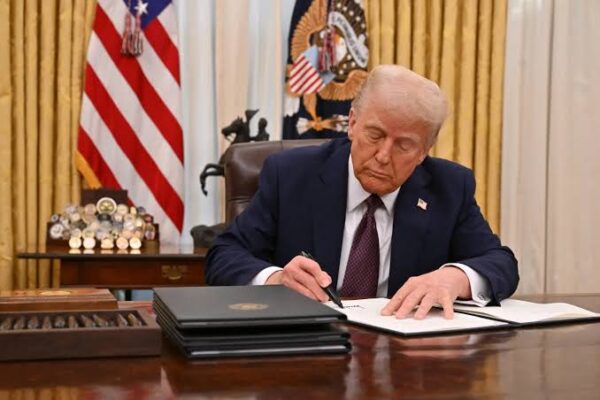
Since assuming office, President Donald Trump has adopted a hardline approach on immigration, signing executive orders to deport millions of illegal immigrants and seeking cooperation from third countries to accept deportees. The US Supreme Court recently cleared the way for migrants to be deported to third countries, even those facing conflict, intensifying pressure on countries like Nigeria.
Nigeria’s refusal to cooperate and its growing ties with the BRICS economic bloc — which Trump has criticized — may have contributed to the tough US stance. Notably, Nigeria was absent from a recent White House summit with African leaders aimed at strengthening economic cooperation.
In response, Nigerian authorities condemned the US visa restrictions, describing them as inconsistent with principles of reciprocity, equity, and mutual respect. They urged the US to reconsider the policy in the spirit of partnership and shared global responsibilities.
As the diplomatic impasse continues, the future of Nigeria-US visa relations remains uncertain, with experts warning that prolonged tensions could affect trade, travel, and broader bilateral cooperation.
Source: TheCable
