


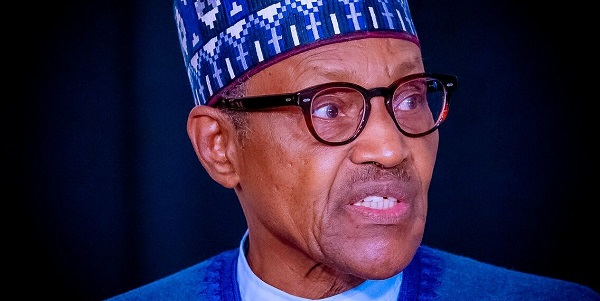
In the quiet town of Daura today, history will pause as Nigeria bids farewell to one of its most enduring and impactful leaders—former President Muhammadu Buhari, who passed away in London on Sunday, July 13, 2025.
The late president, aged 82, died following a prolonged illness. His body is being flown back to Nigeria in accordance with Islamic tradition, and will be laid to rest in his hometown of Daura, Katsina State. Vice President Kashim Shettima, acting on President Bola Tinubu’s directive, accompanied the body from London and is expected to join other dignitaries at the burial.
A Gathering of Nigeria’s Leadership
Today’s events will see a remarkable convergence of power and legacy: President Tinubu, alongside a full roll-call of Nigeria’s past leaders, is expected in Daura to honor Buhari’s memory. Flags across the nation are flying at half-mast, and a special Federal Executive Council meeting has been summoned for Tuesday in his honor.
“He was a patriot, a soldier, and a statesman,” President Tinubu said in a deeply personal tribute. “His legacy of service and sacrifice endures.” Tinubu praised Buhari’s unwavering discipline and his lifelong devotion to Nigeria—both as a military ruler in the 1980s and as a two-term democratic president from 2015 to 2023.
A Life of Service—and Controversy
President Buhari’s political journey was shaped by a unique blend of military command and democratic resolve. From leading Nigeria as a general in the 1980s to returning as a civilian president three decades later, he became a symbol of anti-corruption, discipline, and national integrity.
However, his presidency was also marked by recurring health challenges, with numerous medical trips abroad—particularly to London—fueling public concern and speculation. His most prolonged absence came in 2017 when he spent over 100 days in the UK for medical treatment.
Yet even in illness, Buhari remained a towering figure in Nigeria’s political landscape. His vision of governance—spartan, focused on accountability, and often stern—left a deep imprint on the nation’s institutions.
Tributes Pour In
As news of Buhari’s passing spread, tributes began pouring in from every corner of Nigeria and beyond.
- Former President Olusegun Obasanjo called him a “colleague and co-patriot” whose experience is needed now more than ever.
- General Ibrahim Babangida, visibly emotional, spoke of their friendship dating back to 1962. “We shared trenches and trials,” he said.
- Yemi Osinbajo, who served as Vice President under Buhari for eight years, described him as “a true patriot… whose life was defined by discipline and unwavering devotion.”
Across social media and television broadcasts, former governors, senators, and civic leaders echoed similar sentiments: Buhari was not only a leader—they said—but also a moral compass, especially for Nigeria’s northern region, where his legacy runs deep.
Two Cities, Two Moods
While Daura welcomed streams of mourners, Buhari’s Kaduna residence stood still—guarded, silent, and visibly shaken. No crowds, just two military trucks and a handful of journalists turned away at the gate. It was a stark contrast to the emotional scenes in Daura, where mourners began arriving within hours of the announcement.
Across Katsina, pockets of quiet gatherings emerged as people processed the loss in prayer and reflection.
Governors Reflect
The Nigeria Governors’ Forum described Buhari as “a national political leader with profound moral courage,” while the Northern Governors’ Forum emphasized his role as a “mentor and moral compass.”
Governors from across the political divide—from Imo to Ekiti, Ogun to Benue—paid tribute to Buhari’s legacy. Many praised his modest lifestyle and dedication to public service, while acknowledging that his leadership style sometimes sparked controversy.
A Complex, Enduring Legacy
Buhari’s legacy is a complex mosaic of discipline, national pride, and stern governance. He was never a man of many words, but his policies—and silences—spoke volumes. From infrastructure development to anti-corruption campaigns, his presidency left an undeniable mark.
As Nigeria now turns the page, the question remains: how will history judge Muhammadu Buhari?
For now, a nation mourns—not just a former leader, but a man whose name has been synonymous with service for over half a century.
