


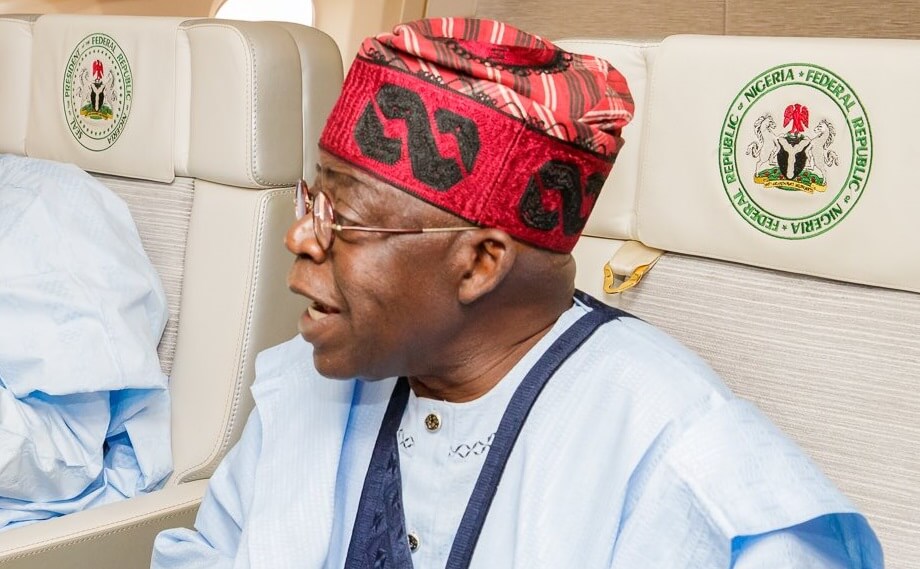
On August 22, 2025, President Bola Ahmed Tinubu departed Yokohama, Japan, for Brasília, Brazil—marking the second leg of his diplomatic mission following participation in the Tokyo International Conference on African Development (TICAD9) and a roundtable with Nigerians in the diaspora. As is now well-known, his journey included a stopover in Los Angeles—not a scheduled state visit, not a publicized bilateral engagement. That seemingly minor detail, however, has aroused pointed criticism and raises fundamental questions about transparency, leadership optics, and Nigeria’s broader governance culture.
A Jet-Fueled Itinerary: Toward Japan, LA, and Beyond
Tinubu’s recent diplomatic marathon began on August 15 in Abuja, including brief stops in Dubai and a substantive stint in Yokohama where he delivered speeches, held strategic meetings, and even rallied diaspora Nigerians to invest in Nigeria’s revival. From there, he embarked on an ultralong-haul flight slated to touch down in Los Angeles before continuing to Brasília on August 24 Vanguard.
Laudable as such engagements may be for bilateral diplomacy and economic outreach, the Los Angeles layover stood out—not for its purpose, which remains unexplained, but precisely because it lacked an official rationale.
“Kabukabu” in the Skies: Scorn from the Opposition
Paul Ibe, media aide to former Vice President Atiku Abubakar, did not mince words. On social media, he denounced the stopover as evidence that Tinubu was treating Nigeria’s presidential jet “like kabukabu” — the term evokes informal, cheap transport vehicles in Nigeria. It was a vivid metaphor meant to trigger public unease: a head of state jetting off at will with taxpayer funding, absent any official disclosure of purpose Daily Post Nigeria.
While presidents and heads of state often make technical stops during long flights, the distinction lies in public perception. Nigeria is currently navigating austerity, forex volatility, fuel subsidy removal, and soaring living costs. Against that backdrop, an unexplained layover—even a logistical one—looks tone-deaf, especially when cloaked in silence.
A Familiar Pattern: Private Visits & Accountability Vacuums
This isn’t the first time such private visits have sparked controversy. In early 2024, Nigerians bristled at President Tinubu’s recurring private trips to Paris. Critics accused him of squandering scarce resources and called for explanations, while constitutional experts chipped in that “private visits” may technically be allowed—but morally indefensible if state resources are used indiscriminately The Guardian Nigeria.
At the heart of the criticism: when a public officeholder cloaks personal movement in vague or unofficial status, it pressures accountability norms. Even if no laws were broken, the absence of clear protocol or transparency fuels doubts—and even conspiracy theories—about motives, funding, and priorities.
When Symbolism Undermines Reform
President Tinubu is not unaware of optics. His administration has carried out bold reforms: fuel subsidy removal, unifying exchange rates, injecting digital processes into governance, and courting foreign investors. Yet, for reforms to stick, they must be matched with trust. And trust, in turn, depends on consistent transparency.
Unfortunately, the LA episode landed amid narratives of disengagement. Just weeks before, the Benue massacre—where over 150 civilians were killed—revealed escalated insecurity and prompted nationwide demands for presidential accountability. At that time, Tinubu’s response, while decisive in rhetoric, was delayed in action, drawing critiques for his absence from the scene of crisis AP News. Against such a backdrop, the image of a president taking unexplained detours abroad is tone-deaf—and counterproductive.
Routine or Relocation? The Cost of Unexplained Stops
Let’s be clear: logistical stopovers—like refueling, crew changes, rest—are routine for long-haul flights. They are not inherently problematic. But they become politically problematic when left unexplained. Citizens expect to be told why. Was the LA stop necessary for operational safety or medical readiness? Did it include security briefings or bilateral talks? Was the President engaging local Nigerian communities there? We don’t know—and that is the problem.
Ambiguity breeds mistrust. In an era when informal jet use by presidents can be seen as entitlements, not exceptions, any trip—even incidental—carries the weight of public scrutiny.
Building Credibility Through Transparency
So what’s the way forward? Nigeria doesn’t need to reinvent diplomacy. But it does need to reinforce the norms of oversight:
- Proactive Disclosure: The Presidency should start publicly posting trip itineraries—even stopovers. A short statement noting purpose—logistical, service, rest—goes a long way.
- Clear Distinctions: Official visits, private visits, technical stops—what’s the difference? Having clear definitions and communicating them avoids misinterpretations.
- Institutional Protocols: The government could standardize travel protocols. For example, requiring written internal approvals for non-official trips, and publishing expenditure tallies for accountability.
- Engaged Communication: Tie trips to reforms. If there was any diaspora outreach in LA, make that known. If it was purely technical, say so. Let citizens decide whether a stopover is justifiable.
Conclusion: No Flights Are Private in Nationhood
Leadership is not just policymaking—it’s also the art of perception. Nigeria’s current challenges—security risks, economic hardship, democratic expectations—demand a president who is not just present but visibly accountable.
President Tinubu’s Los Angeles stopover, without explanation, may have been benign in substance. But in symbolism, it underscored a broader fallacy: that in a democracy, no flight of fancy—or layover—is purely private when flown in a public jet.
For a leader steering Nigeria through tough reforms, trust is as vital as policy. And trust is built not just in council chambers or conference halls—but in the simple act of telling citizens why you landed where you did.
