


As Rivers State braces for the return of Governor Siminalayi Fubara in September 2025, criticism is already mounting — this time from within the country’s pro-democracy circles.
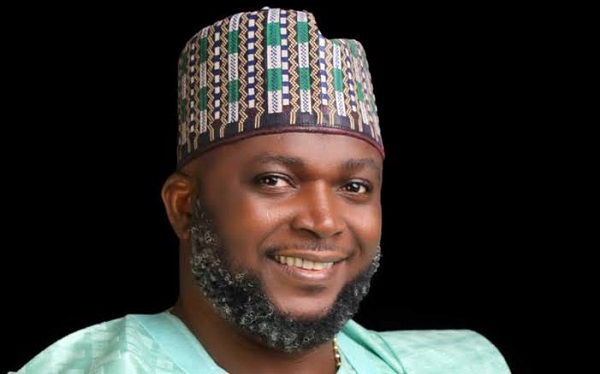
Peter Ameh, the National Secretary of the Coalition of United Political Parties (CUPP), has publicly criticised Governor Fubara’s decision to resume office following a months-long suspension, describing it as a betrayal of democratic ideals and a surrender to political pressure.
Speaking during a live appearance on Channels Television’s Sunrise Daily, Ameh said Fubara’s decision to return to power “undermines democracy” and sends the wrong message about political integrity.
Fubara, suspended in March 2025 after President Bola Tinubu declared a state of emergency in Rivers State, is set to resume office on September 18, 2025, according to statements from his camp.
But for Peter Ameh, the damage has already been done.
“For me, I’m already disappointed in Fubara that he has shown… what he wants is to get back to office,” he said.
“I think he would have given it all up. It wouldn’t have been bad to fight for the future generation.”
Ameh’s criticism stems from the belief that Fubara prioritized reclaiming power over standing firm against what he called the “weaponization of state power”. He accused political actors of using government machinery to suppress Fubara during the height of the crisis.
“I think he was beaten to surrender, and that is not good for our democracy. The instrumentality of the state was deployed against him, and he surrendered.”
Governor Fubara’s troubles began with a deepening political rift between him and his predecessor — and former ally — Nyesom Wike, who now serves as Minister of the Federal Capital Territory.
The feud led to a prolonged standoff within the state’s political establishment, culminating in President Tinubu’s March 18 declaration of a state of emergency in Rivers. As part of that move, Fubara, his deputy, and members of the House of Assembly were suspended. Tinubu then appointed retired Vice Admiral Ibok-Ete Ibas as the Sole Administrator of the state, with a mandate to restore political stability.
Ameh used the opportunity to call for stronger democratic norms and institutions in Nigeria, warning that compromising under pressure weakens democratic foundations.
“Whether it’s a semi-democratic process, we must be able to nurture it to become a fully blown democratic system,” he stated.
He added that Nigeria must protect its democratic growth to ensure that future generations can participate in politics without fear or coercion.
While Fubara’s return is still weeks away, the debate around his decision underscores a larger concern: What is the true cost of political survival in Nigeria? Is reclaiming office worth more than the opportunity to stand for democratic principles?
As the countdown to September 18 continues, all eyes will remain on Rivers — not just to see how Fubara resumes power, but whether his return strengthens or further weakens Nigeria’s fragile democratic experiment.
