


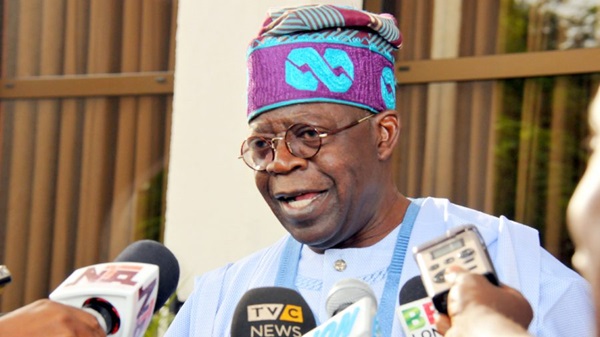
In his Independence Day address marking Nigeria’s 65th year since gaining independence, President Bola Ahmed Tinubu spoke candidly about one of the most controversial decisions of his presidency so far — the removal of fuel subsidies.
Calling it a “difficult but necessary” step, Tinubu acknowledged the hardship the move has caused but insisted it was a critical intervention to save a struggling economy and redirect the nation’s wealth toward the people who need it most.
“We faced a simple choice: continue business as usual and watch our nation drift, or embark on a courageous, fundamental reform path,” Tinubu said during the national broadcast on Wednesday.
“We chose the path of tomorrow over the comfort of today.”
Since taking office in May 2023, Tinubu has moved swiftly to reshape Nigeria’s economic landscape, starting with the abrupt elimination of the long-standing fuel subsidy on Day One. The move shocked the nation and sparked a wave of fuel scarcity and price hikes — but according to the President, it was a calculated sacrifice.
He described the old system as one riddled with corruption and inequality, benefiting “a tiny minority” while the average Nigerian saw little to no gain.
“Subsidies and multiple exchange rates created massive incentives for a rentier economy, benefiting only a tiny minority. The masses received little or nothing from our commonwealth.”
The President stressed that the billions once spent on subsidizing petrol are now being reallocated to vital sectors like education, healthcare, agriculture, infrastructure, and security — investments he believes will yield long-term dividends for the nation.
“We have freed up trillions of Naira for targeted investment in the real economy and social programmes for the most vulnerable,” Tinubu said.
While the immediate impact has been painful — rising fuel costs, inflation, and increased cost of living — Tinubu argued that these reforms are already starting to pay off.
“I’ve always candidly acknowledged that these reforms come with temporary pains. But the alternative — economic chaos or bankruptcy — was not an option.”
In a moment of reassurance, the President told Nigerians that the country’s economic foundation is being rebuilt — not hastily or carelessly, but with long-term stability in mind.
“We are laying a new foundation cast in concrete, not on quicksand.”
Tinubu’s declaration that “fuel subsidy is gone” came during his inauguration speech on May 29, 2023, setting off immediate ripples across the economy. Within days, petrol prices more than doubled, and ripple effects were felt across transportation, food, and basic services.
For many Nigerians, especially those already living on the edge, the reform has brought real financial pressure. But the administration remains committed to its argument: short-term pain, long-term gain.
