


There are strong indications that the Presidency may drop some names from the controversial list of beneficiaries recently approved under the Presidential Prerogative of Mercy, following widespread backlash over the inclusion of high-profile convicts and violent offenders.
The list, presented to the Council of State on October 9 by the Attorney-General of the Federation and Minister of Justice, Lateef Fagbemi (SAN), has drawn sharp criticism from the public and security agencies, prompting a final review before any formal clemency is granted.
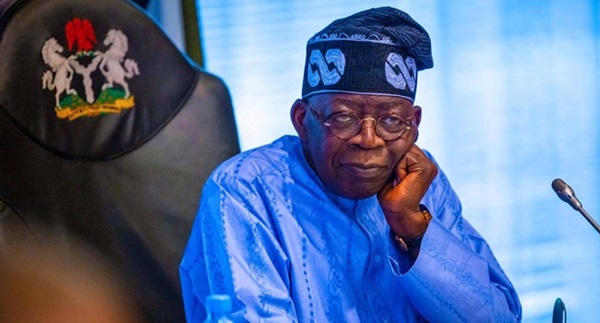
President Bola Tinubu’s approval of the pardon list—traditionally timed around national celebrations to promote reconciliation and decongest overcrowded prisons—sparked outrage after it emerged that some of the 175 names included individuals convicted of murder, drug trafficking, kidnapping, and other serious crimes.
Among the most controversial inclusions are Maryam Sanda, convicted in 2017 for the murder of her husband, and Kelvin Prosper Oniarah, a notorious kidnap kingpin whose operations spanned at least six states and multiple detention camps.
Also included were names like Major S. Alabi Akubo, jailed for illegal arms possession, and several drug couriers and illegal miners.
Speaking on condition of anonymity, a presidential aide revealed that multiple security and anti-graft agencies—among them the EFCC, ICPC, NDLEA, and the Nigeria Police—have raised strong objections, warning that releasing some individuals could compromise national security and undermine the justice system.
“There are names that were never part of the original list recommended by the Presidential Advisory Committee on the Prerogative of Mercy,” the aide disclosed. “Security agencies have flagged these names as dangerous, especially those linked to violent crimes, corruption, and organised criminal networks.”
According to senior officials familiar with the matter, the inclusion of certain convicts is being viewed as a breach of protocol, with allegations that some low-level committee members may have “smuggled in” names during the documentation process.
“The list will be trimmed to reflect only those who genuinely deserve clemency,” another top official said. “Some names have clearly failed the security vetting process and will not be approved.”
While the inclusion of historical or symbolic figures such as the late Ken Saro-Wiwa, other Ogoni Nine members, and Herbert Macaulay received general public support, the release of individuals with recent and serious convictions has proven controversial.
Amid the growing controversy, the Attorney-General, Fagbemi, issued a statement on Thursday clarifying that no one on the list has yet been released.
“The process remains at the final administrative stage,” Fagbemi said. “A standard review is underway to ensure that all names fully comply with legal and procedural requirements before any instrument of release is issued.”
He added that following Council of State approval, the law requires a final verification phase before presidential clemency can be formally enacted by the Nigeria Correctional Service.
“This is not a delay,” the minister said, “but a critical step to uphold due diligence, transparency, and fairness. We welcome public vigilance—it shows the importance Nigerians attach to justice and good governance.”
Fagbemi assured that only those who meet established criteria would benefit from the presidential mercy, adding that the final list would reflect the “spirit of justice, not sentiment.”
The inclusion of individuals like Sanda, despite rejection by sections of the victim’s family, has further polarised public opinion. While her father and the deceased’s father jointly accepted the presidential gesture at a press conference, many Nigerians on social media questioned the morality and legality of such pardons.
The outrage has extended to civil society and rights groups, who have called for an overhaul of the pardon process and stricter transparency measures.
“We cannot afford a justice system where connections override consequences,” one rights activist said in a widely shared post online.
With the 2027 general elections looming and debates around judicial integrity gaining momentum, analysts say the outcome of the review will test the Tinubu administration’s commitment to accountability.
Sources within the Presidency suggest that the revised list—expected in the coming weeks—will likely exclude individuals deemed a security risk or whose release could undermine public trust in the rule of law.
As Nigerians await the final outcome, all eyes remain on the Ministry of Justice and the Presidency to ensure that mercy does not come at the cost of justice.
