


The United States is weighing new sanctions against individuals and groups accused of religious freedom violations in Nigeria, following the introduction of a new bill in Congress.
On Tuesday, U.S. Congressman Riley Moore (R-West Virginia) announced the introduction of the Nigeria Religious Freedom and Accountability Act of 2026, co-sponsored by Rep. Chris Smith (R-New Jersey). The proposed legislation calls for targeted measures, including visa bans and asset freezes, against those allegedly linked to attacks and violations tied to religious persecution in Nigeria.
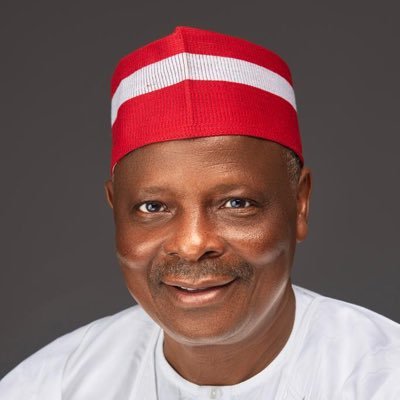
Among those named in the bill are former Kano State Governor Rabiu Musa Kwankwaso, Fulani-ethnic nomad militias, and groups such as the Miyetti Allah Cattle Breeders Association of Nigeria (MACBAN) and Miyetti Allah Kautal Hore.
According to the text of the bill, the U.S. Department of State and the Department of the Treasury would be directed to impose sanctions under the Global Magnitsky Human Rights Accountability Act on individuals and entities found responsible for religious freedom violations. The legislation also instructs the U.S. Secretary of State to determine whether certain Fulani militias meet the criteria for designation as foreign terrorist organisations under U.S. law.
In addition to punitive measures, the bill proposes increased humanitarian assistance for affected communities in Nigeria’s Middle Belt. The aid, co-funded by the Nigerian government, would be delivered through trusted faith-based and non-governmental organisations operating in the region.
Announcing the bill on X, Moore said, “Today, I am proud to introduce the Nigeria Religious Freedom and Accountability Act of 2026 with Rep. Chris Smith. The US is a Christian nation. As such, we must stand with persecuted Christians around the world.” He added that the legislation builds on what he described as momentum from President Donald Trump’s re-designation of Nigeria as a “Country of Particular Concern” and a recent U.S.–Nigeria security framework agreement.
Religious freedom concerns in Nigeria have remained a flashpoint amid ongoing violence in parts of the Middle Belt and northern regions. Armed groups, including Islamist extremists and bandit networks, have been blamed for deadly attacks on both Christian and Muslim communities.
In late 2025, President Trump re-designated Nigeria as a “Country of Particular Concern” for what the U.S. described as severe violations of religious freedom. The Nigerian government rejected the characterisation, maintaining that the country’s security challenges are complex and driven by factors including insurgency, banditry, and communal conflicts — not a religious war.
The situation has also seen expanded security cooperation between Abuja and Washington. In December 2025, the United States carried out airstrikes targeting Islamic State-linked militants in northwest Nigeria, in coordination with Nigerian authorities. The U.S. has also increased military training support and equipment supplies to Nigerian forces as part of broader counter-terrorism efforts.
If passed, the new bill could further shape U.S.–Nigeria relations, adding diplomatic pressure while deepening debate over the roots and realities of Nigeria’s security crisis.
