


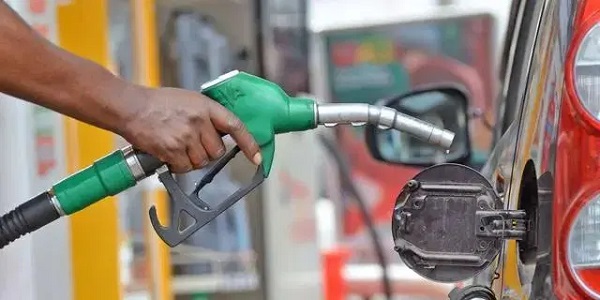
Nigerian consumers are facing sharp increases in petrol prices, with retail costs rising to ₦960 per litre in Abuja and ₦935 per litre in Lagos, amid escalating instability in the Middle East that has pushed global crude oil prices upward.
Fuel marketers and the Petroleum Products Pricing Regulatory Agency (PPPRA) confirmed the adjustments on March 4, 2026, attributing the increase to higher importation costs and mounting supply chain pressures.
The surge is linked to rising tensions in the Persian Gulf, where recent military engagements involving the United States, Israel and Iran have disrupted oil exports and triggered volatility in international energy markets.
Energy analysts note that Nigeria’s continued reliance on imported refined petroleum products leaves it particularly exposed to global supply shocks. The impact has been compounded by currency depreciation, which has further increased the cost of fuel imports and transferred additional burden to consumers.
Economists warn that sustained instability in Middle East oil markets could intensify inflationary pressures, strain household incomes, and elevate transportation and production costs nationwide. The development has renewed calls for accelerated investment in domestic refining capacity and the establishment of strategic fuel reserves to cushion the economy against external disruptions.
The latest price adjustments underscore the vulnerability of Africa’s largest oil producer to fluctuations in the global energy market, highlighting the urgent need for structural reforms in the downstream petroleum sector.
