


The Federal Government says it is closely watching rising geopolitical tensions in the Middle East involving the United States, Israel and Iran, amid concerns about possible implications for Nigeria’s economy.
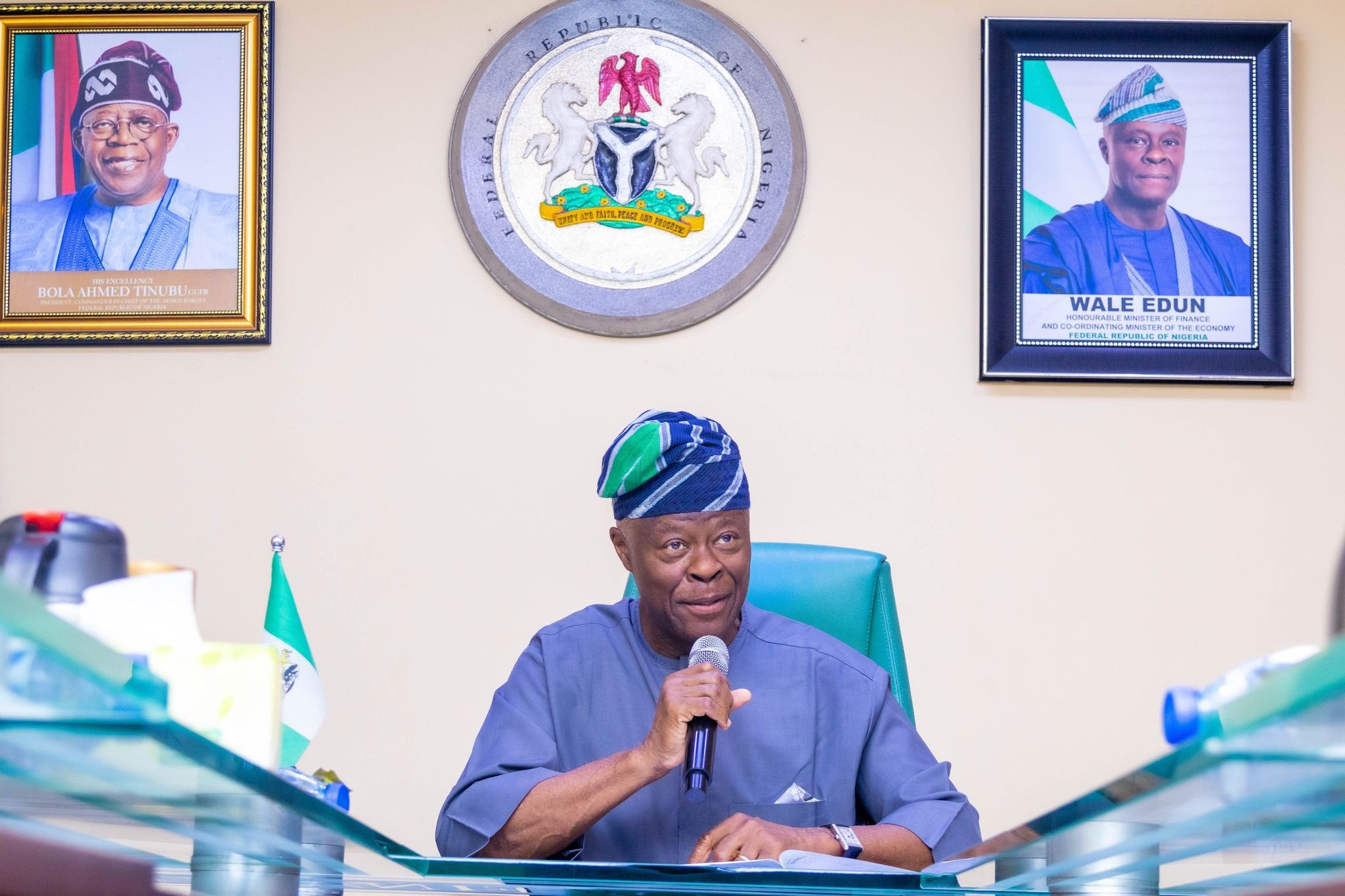
The position was outlined following a meeting of the Economic Management Team (EMT) chaired by the Minister of Finance and Coordinating Minister of the Economy, Wale Edun. In a statement issued by the Federal Ministry of Finance, the government said the meeting reviewed potential economic risks associated with the ongoing conflict.
Officials noted that the crisis has already fuelled uncertainty in global markets, particularly due to fears that key energy supply routes such as the Strait of Hormuz could be disrupted. The uncertainty has contributed to volatility in international crude oil prices and financial markets.
According to the Economic Management Team, Nigeria could be affected through several channels, including higher global energy prices, rising logistics costs and a shift in international capital flows towards safer investment destinations.
The government said it is closely tracking key economic indicators, including crude oil prices, exchange rate movements and capital inflows, in order to respond promptly to any emerging risks.
Despite the global uncertainty, authorities maintained that Nigeria’s economic outlook remains positive. The government cited real Gross Domestic Product (GDP) growth of 4.07 per cent in the fourth quarter of 2025 as evidence that the country’s economic fundamentals are strengthening.
Officials assured Nigerians that the government remains prepared to introduce measures where necessary to protect economic stability and sustain growth.
Meanwhile, the government has also addressed concerns about Nigerians stranded in parts of the Middle East as a result of the crisis. The Chairperson of the Nigerians in Diaspora Commission (NiDCOM), Abike Dabiri-Erewa, said evacuation flights will begin once airspace across the region is considered safe.
Responding to concerns raised by a Nigerian in Qatar, Dabiri-Erewa explained that repatriation operations cannot commence at the moment because several airspaces remain closed due to security risks.
She said a flight from the United Arab Emirates had earlier landed in Lagos before fresh strikes forced the closure of regional airspace.
Dabiri-Erewa added that a federal government multi-agency crisis response team has already been mobilised and will begin evacuation efforts immediately once flight operations in the region resume safely.
