


The United States military has announced plans to impose a total maritime blockade on Iranian ports and coastal areas, beginning Monday at 10:00 ET (14:00 GMT), following the collapse of high-level negotiations over the weekend.
Talks held in Islamabad the first direct diplomatic engagement between Washington and Tehran in more than a decade failed to produce a lasting agreement to end the six-week conflict, placing a fragile two-week ceasefire at risk.
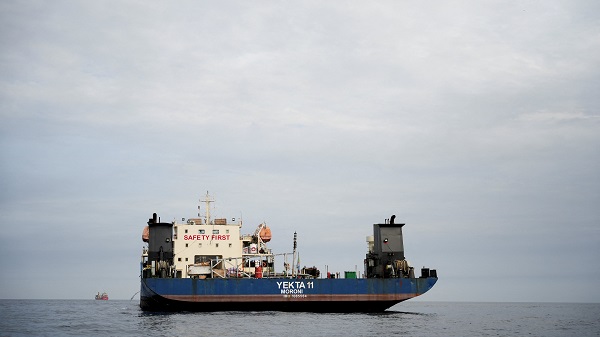
US Central Command confirmed the blockade will apply to all vessels entering or leaving Iranian ports in the Arabian Gulf and the Gulf of Oman, regardless of nationality. However, ships transiting the Strait of Hormuz to and from non-Iranian ports will be permitted to pass.
President Donald Trump said US forces would also intercept vessels in international waters found to have paid tolls to Iran, describing such payments as unlawful. In parallel, the US Navy is preparing operations to clear Iranian mines from the Strait of Hormuz to safeguard neutral shipping routes.
The developments have sent shockwaves through global markets. Benchmark oil prices surged by more than seven per cent, rising above 100 dollars per barrel, while US stock futures declined and the dollar strengthened during early trading in Asia.
Iran has warned of a strong response, accusing the United States of taking an uncompromising stance during the failed negotiations in Islamabad.
Despite the rising tensions, President Trump indicated that diplomatic channels may yet reopen, although he cautioned that elevated energy prices could persist in the near term.
Analysts have questioned the sustainability of the operation, warning that maintaining such a large-scale maritime blockade over an extended period may prove challenging. With commercial tankers beginning to avoid the region, concerns are growing over the potential for a wider escalation in the conflict.
