


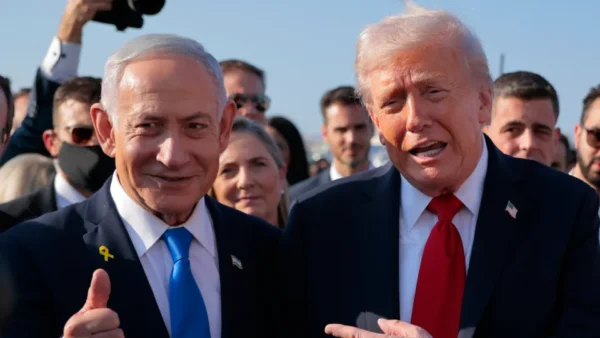
Tensions between the Donald Trump and Benjamin Netanyahu have reportedly escalated following a series of high-stakes phone calls over the future of the ongoing conflict involving Iran, according to a report by CNN.
Sources familiar with the discussions say the two leaders held multiple conversations in recent days as regional tensions intensified. Early in the week, Trump is said to have informed Netanyahu that the United States was considering targeted military strikes against Iran under a proposed operation reportedly referred to as “Operation Sledgehammer.”
However, within 24 hours, Trump reversed course, announcing a pause on the planned strikes after appeals from Gulf partners, including Qatar, Saudi Arabia, and the United Arab Emirates. Diplomatic efforts have since intensified, with mediators from the region working alongside US and Pakistan officials to explore a possible framework for restarting negotiations with Tehran.
Speaking to reporters, Trump suggested talks with Iran were reaching a critical juncture.
“We’re in the final stages of Iran. We’ll see what happens,” he said, adding that the US could either reach a deal or take action that would be “a little bit nasty.”
Zebra News understands that the sudden shift in Washington’s position has caused frustration in Jerusalem, where Netanyahu has consistently advocated for a more aggressive military stance against Iran. Israeli officials reportedly believe that delaying action gives Tehran additional time to strengthen its position and continue what they describe as delaying tactics in negotiations.
During an hour-long call, Netanyahu is said to have directly expressed his dissatisfaction, urging Trump to proceed with the planned strikes and warning that postponement could undermine deterrence.
The disagreement highlights what analysts describe as a widening strategic gap between the two leaders. While Trump appears increasingly open to allowing diplomacy more time to unfold, Netanyahu and senior Israeli officials are reportedly pushing for swift military escalation.
Despite the reported tensions, Trump publicly downplayed any rift. “He’ll do whatever I want him to do,” he told reporters when asked about his relationship with Netanyahu.
Zebra News notes that behind the scenes, diplomatic channels remain active. Iran’s Foreign Ministry confirmed that messages have been exchanged between Tehran and Washington through Pakistani intermediaries. Pakistan’s army chief, Asim Munir, is also expected to travel to Tehran as part of ongoing mediation efforts aimed at preventing further escalation.
The United States Vice President JD Vance has previously been involved in high-level discussions linked to broader regional de-escalation efforts, including earlier talks hosted in Pakistan.
However, significant disagreements remain unresolved, particularly over Iran’s nuclear programme and frozen financial assets. Regional sources say Iran has not signalled any major concessions despite continued negotiations.
Although Trump continues to publicly emphasise diplomacy, he has also warned that military action remains firmly on the table if talks collapse.
“If we don’t get the right answers, it goes very quickly. We’re all ready to go,” he said.
As the situation develops, Zebra News will continue to monitor diplomatic movements across Washington, Jerusalem, and Tehran amid growing concerns that the fragile balance between negotiation and confrontation could quickly tip.
