


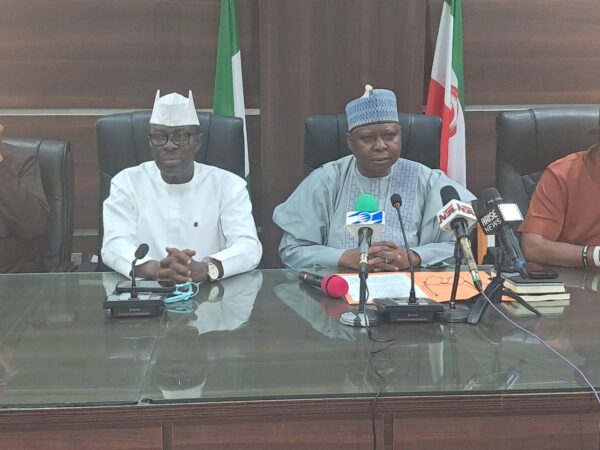
The Peoples Democratic Party PDP faction led by Kabiru Turaki has dismissed allegations that it prevented presidential aspirants from obtaining nomination forms ahead of the party’s forthcoming presidential primary election.
In a statement released on Thursday, the faction’s spokesman, Ini Ememobong, described the reports as false and misleading, insisting that all interested aspirants remain eligible to purchase and submit their forms within the approved deadline.
According to Zebra News, Ememobong stated that the Interim National Working Committee had not authorised or carried out any action aimed at stopping aspirants from participating in the process.
“We state clearly that the Interim National Working Committee is not aware of any hindrance by the party through its officials to prevent anybody from purchasing the forms,” the statement read.
The spokesman further explained that the party recently reviewed and extended its timetable following appeals from members seeking additional time to complete the process.
Under the revised schedule, aspirants now have until Friday, 22 May 2026, to purchase and submit their completed nomination forms, while a special screening exercise for candidates yet to be screened has been fixed for Saturday, 23 May 2026.
Zebra News understands that the PDP faction also reaffirmed its position on zoning, noting that although the party had allocated its presidential ticket to the southern region, no Nigerian could legally or constitutionally be barred from contesting for elective office.
“To this end, we urge the public to discountenance any story alleging that the party is preventing people from purchasing forms,” Ememobong added.
The clarification follows recent reports surrounding the faction’s decision to present former President Goodluck Jonathan as its sole presidential aspirant ahead of the primary election.
However, the faction later announced that Jonathan would not undergo the standard screening process. Former Niger State Governor Babangida Aliyu reportedly defended the decision, arguing that the former president’s status and experience made formal screening unnecessary.
The latest development has continued to stir debate within political circles over transparency, zoning arrangements and internal democracy within Nigeria’s opposition politics.
