


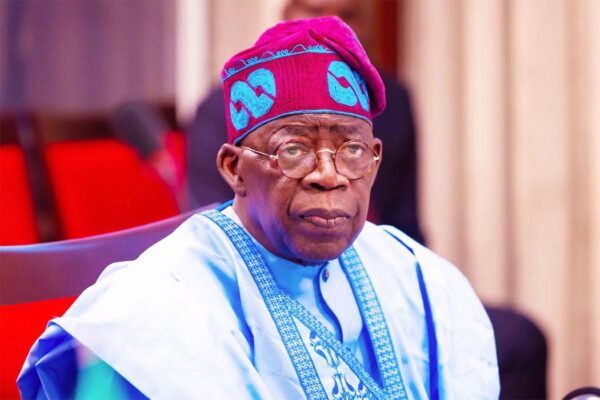
.President Bola Tinubu’s Special Adviser on Economic Affairs, Tope Fasua, has claimed that the living conditions of poor Nigerians are improving under the current administration, despite widespread concerns over the rising cost of living and persistent economic hardship.
Speaking during an interview on Channels Television, Fasua defended the administration’s economic reforms, arguing that increased allocations to state and local governments are beginning to translate into improved welfare for citizens at the grassroots.
He said President Tinubu’s push for local government autonomy is central to the Federal Government’s poverty reduction strategy, insisting that meaningful interventions can only succeed when implemented at the local level.
“The solution to poverty is actually at the local government level, and that’s the reason why the President has advocated for local government autonomy,” Fasua said.
According to him, higher revenues flowing to sub-national governments have improved their ability to pay workers’ salaries and pensions promptly.
“Those days when civil servants would be owed 18 months, 12 months or six months’ salaries are gone. Pensioners are getting their money, and that’s where it matters,” he said.
Fasua maintained that the administration’s policies are already producing positive outcomes for the country’s poorest citizens.
“I can tell you that, honestly, for the very poor people in this country, the situation is getting better, perhaps better than it used to be,” he said.
The presidential adviser also argued that an effective poverty reduction programme requires comprehensive household data, citing China’s poverty eradication model as an example. He said state and local governments are best positioned to collect such data and implement targeted interventions.
Fasua further expressed confidence that the administration’s economic policies would strengthen President Tinubu’s chances of securing a second term in office.
“These monies that have been pushed to them are what are going to win the election for us. I have no doubt that Bola Ahmed Tinubu is coming back in 2027 anyway,” he said.
His comments come amid continued public debate over the impact of the Federal Government’s economic reforms, including the removal of petrol subsidy and the floating of the naira, which have contributed to higher inflation and increased living costs. The government has consistently argued that the reforms are necessary to stabilise the economy and deliver long-term growth.
