


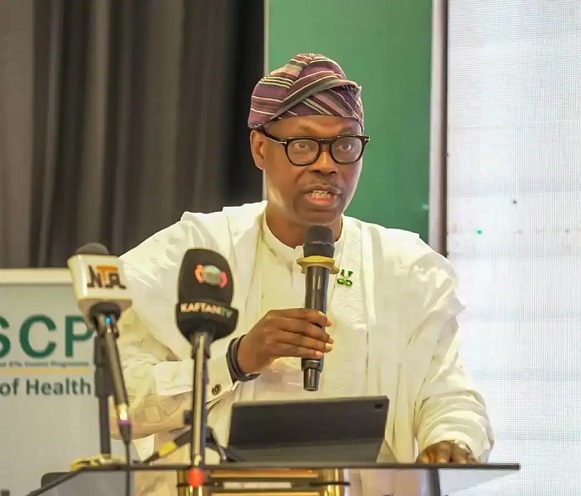
The Federal Government has raised concerns over lead poisoning in Nigeria, estimating that about 80 million children are exposed to the toxic substance.
The Minister of State for Health and Social Welfare, Iziaq Salako, disclosed this on Wednesday in Abuja during activities marking the 2026 International Lead Poisoning Prevention Week.
Salako warned that children, pregnant women and women of childbearing age were particularly vulnerable to lead exposure, which can cause serious health complications even when symptoms are not immediately visible.
“We cannot treat our way out of lead poisoning; we must prevent exposure wherever possible,” the minister said.
During the event, Salako inaugurated Nigeria’s Five-Year Strategic Plan on Lead Poisoning Elimination, covering 2026 to 2030. The initiative is designed to reduce exposure to lead and strengthen measures to safeguard public health.
He identified contaminated soil, unsafe water pipes, lead-based paints, toys, certain cosmetics, pottery and traditional remedies as potential sources of exposure.
The minister urged Nigerians to maintain proper hygiene, clean children’s toys regularly and exercise caution when handling materials that may contain lead.
Also speaking at the event, UNICEF consultant Sarah Ango stressed that no level of lead exposure was considered safe for children, describing lead poisoning as a preventable threat to their health and development.
Lead exposure can damage the brain and nervous system, impair learning and affect children’s development. Its effects may occur without obvious early symptoms, making prevention and early detection particularly important.
Zebra News reports that the Federal Government expects the new strategic plan to strengthen national efforts to prevent lead exposure and protect vulnerable populations.
The plan’s success will depend on effective implementation, public awareness, monitoring of potential sources of contamination and coordinated action by relevant government agencies and other stakeholders.
