


The Federal Government has unveiled plans to expand Nigeria’s electricity generation capacity towards 20,000 megawatts, with the aim of improving power supply and supporting economic growth.
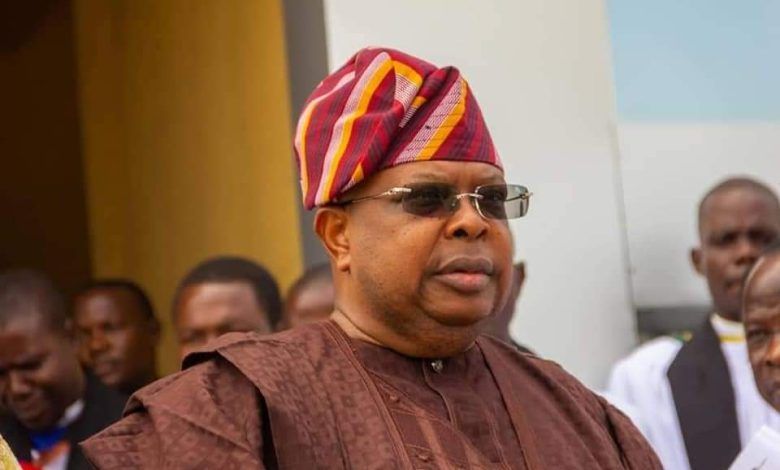
The Minister of Power, Joseph Tegbe, disclosed this during a television interview on TVC, outlining the administration’s strategy to increase generation, expand transmission infrastructure and attract greater private sector investment.
Tegbe expressed confidence that Nigerians would begin to enjoy more stable electricity within the next three to five years, acknowledging that addressing decades of infrastructure challenges would require sustained investment.
He said the government was moving beyond the longstanding 10,000MW target, with several generation projects in the pipeline that could raise the country’s capacity towards 20,000MW.
The minister disclosed that the government was engaging private investors and development partners to support the ambition, adding that industrialist Aliko Dangote had expressed commitment to contributing to the target.
He identified the Mambila Hydropower Project, which has the potential to generate approximately 3,000MW, as a major component of the expansion plan.
According to Tegbe, President Bola Tinubu had directed him to engage northern state governments to ensure their participation in the project.
He also revealed that Chinese companies had expressed interest in supporting its development through possible financing from China Exim Bank in collaboration with Sinohydro.
The minister further disclosed that the government was developing plans to harness small hydropower resources, with 21 dams identified along the proposed Sokoto–Badagry Superhighway for potential electricity generation.
He said a policy on small hydropower was nearing completion, while discussions with prospective investors were ongoing.
Tegbe also highlighted the Electricity Act 2023, which allows state governments and private investors to participate in electricity generation and distribution through independent power markets, mini-grids and other arrangements.
He warned that growing electricity demand driven by industrialisation, artificial intelligence, data centres and remote working made infrastructure expansion increasingly important.
“Give me a time horizon of three to five years, and Nigeria will enjoy stable electricity,” he said.
Zebra News reports that the Federal Government’s electricity strategy also involves rehabilitating existing infrastructure, improving grid stability and expanding private sector participation across the power value chain.
The minister maintained that the ultimate objective was to build a reliable electricity system capable of supporting households, businesses and Nigeria’s long-term economic development.
