


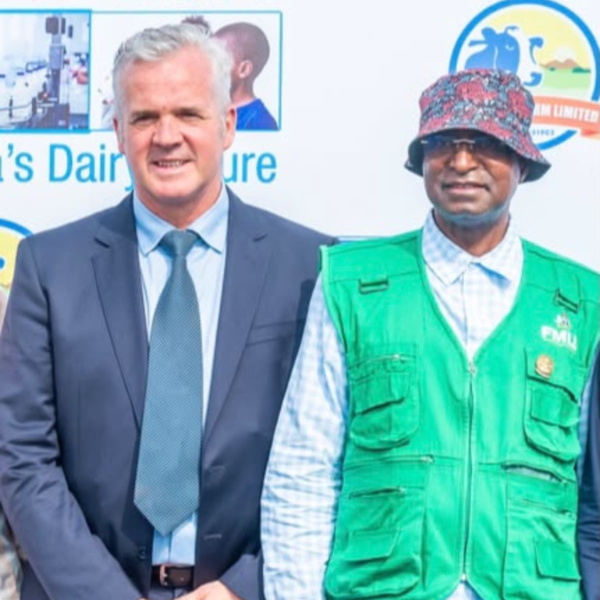
Promasidor Nigeria Limited’s investment in Ikun Dairy Farm, Ekiti State, is supporting Nigeria’s efforts to reduce dependence on imported dairy products and strengthen domestic livestock production.
The facility, operated in partnership with the Ekiti State Government, has expanded its cattle breeding, animal healthcare and milk production capacity, attracting commendation from the Minister of Livestock Development, Idi Mukhtar Maiha.
During a working visit on Wednesday, 4 November 2026, Maiha described the farm’s progress as an important contribution to the Federal Government’s livestock development agenda. He noted that Nigeria spends approximately $1.5 billion annually on dairy imports, underscoring the need to expand local production.
Established in 1983, Ikun Dairy Farm experienced years of underutilisation before Promasidor and the Ekiti State Government formalised their partnership in 2019. Promasidor made an initial investment of $5 million to revitalise the facility.
The farm now covers more than 500 hectares, houses over 700 cattle and produces more than 6,000 litres of fresh milk daily.
Its Group Finance Director and Chairman, Yomi Adexson, disclosed that more than 160 pregnant heifers had been sold to farmers in 2026 to support the expansion of dairy farming beyond the facility.
He recalled that the farm lost about 185 imported cattle during its early operations because they struggled to adapt to local environmental conditions. Subsequent investment in breeding and animal management has helped develop cattle better suited to Nigeria’s climate.
Zebra News reports that the farm also cultivates maize, soybean and cassava for animal feed, while providing more than 200 direct jobs and supporting over 1,000 indirect livelihoods.
Promasidor Chief Executive Officer, Francois Gillet, said building a sustainable dairy industry required long-term investment, technical expertise and collaboration.
The facility also runs the weekly Ikun Milk Day programme, which provides fresh milk to primary school pupils in the host community.
Although achieving dairy self-sufficiency will require further investment in processing, cold-chain infrastructure and farmer support, the Ikun project highlights the potential of public-private partnerships to strengthen Nigeria’s domestic dairy industry.
