


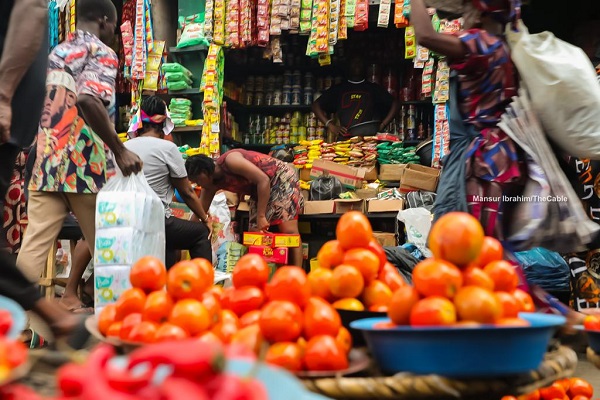
Nigeria’s 36 state governors have resolved to work closely with the Federal Government to harmonise levies, dismantle illegal checkpoints, and enhance the free movement of food and goods across state lines in a concerted effort to curb rising food inflation and insecurity.
The agreement emerged after high-level meetings held this week under both the Progressive Governors Forum (PGF) and the Nigeria Governors’ Forum (NGF), which were attended by key stakeholders including National Security Adviser Nuhu Ribadu, ministers, and representatives of the World Bank.
Speaking on behalf of the governors, Lagos State Governor Babajide Sanwo-Olu identified major structural barriers to food affordability, including multiple checkpoints, illegal levies, and inadequate infrastructure.
“The proliferation of checkpoints, illegal taxation, and poor infrastructure are key contributors to price inflation and inefficiencies in the food supply chain,” Sanwo-Olu said.
Despite a technical drop in year-on-year food inflation to 21.14% in May 2025—down from 40.66% in May 2024 due to a change in the base year—the month-on-month rate rose slightly to 2.19%, underlining persistent pressures in real-time food pricing.
The governors expressed deep concern that even food-producing states are among those hit hardest by rising costs, pointing to serious bottlenecks in food distribution and market access.
State Security System Backed Amid Worsening Insecurity
Following President Bola Tinubu’s visit to Benue State after the tragic massacre of over 200 people in Yelewata on June 13, both governor forums also jointly agreed to embrace a state-level security model to complement federal security efforts.
Imo State Governor Hope Uzodimma, who chairs the APC Governors Forum, confirmed this development via a post on X (formerly Twitter):
“We reviewed the prevailing security architecture and reached a consensus on the urgent need to adopt the long-advocated State security system… Our resolve is unwavering, and our duty to the people remains our highest calling.”
Uzodimma noted that Imo State had already implemented such community-based security frameworks, which had led to “tangible progress in tackling threats” through intelligence-led operations and community engagement.
Governors Raise Alarm Over World Bank’s Unfulfilled Promises
A separate but related concern raised by the NGF involved the World Bank’s Nigeria Community Action Recovery and Economic Stimulus (NG-CARES) programme. The governors said they had invested over $2.2 billion through the initiative, impacting over 17 million beneficiaries, but accused the Bank of failing to meet its funding obligations.
The governors stressed the need for a peaceful resolution of the funding standoff to allow for a successful wrap-up of NG-CARES 1.0 and a smooth transition to NG-CARES 2.0, aimed at building long-term economic resilience.
Next Steps: Governors Await Presidential Security Measures
With widespread concern over deteriorating security, especially in the North Central region, the governors are now awaiting further Presidential directives on national security reforms.
“We remain committed to doing our utmost—within the ambit of the law—to protect the lives and properties of our people,” Uzodimma affirmed.
Bottom Line
The coordinated stance by the governors marks a significant shift in tackling two of Nigeria’s most pressing crises—food insecurity and insecurity. By combining policy reforms, localised security solutions, and better federal-state collaboration, Nigeria may be poised for more targeted and impactful responses to challenges that have long strained its economy and citizenry.
