


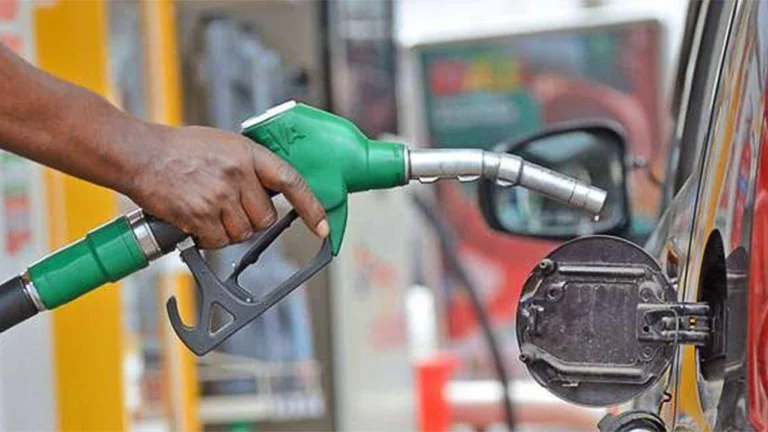
Independent petroleum marketers have urged the Federal Government to restore importation rights for marketers, saying increased competition could drive the pump price of Premium Motor Spirit (PMS), commonly known as petrol, below N800 per litre.
The call came on Monday as the Federal Government convened a high-level meeting with key players in the downstream petroleum sector, including representatives of the Dangote Petroleum Refinery, over concerns that falling global crude oil prices have yet to translate into lower petrol prices for consumers.
The stakeholders’ meeting, held at the headquarters of the Nigerian Midstream and Downstream Petroleum Regulatory Authority (NMDPRA) in Abuja, brought together the Federal Competition and Consumer Protection Commission (FCCPC), the Independent Petroleum Marketers Association of Nigeria (IPMAN), the Major Energy Marketers Association of Nigeria (MEMAN), the Depot and Petroleum Products Retailers Association of Nigeria (DAPPMAN), the Depot and Petroleum Products Marketers Association of Nigeria (DAPPMA), the Nigerian Association of Road Transport Owners (NARTO), and other industry operators.
Chief executives and representatives of TotalEnergies, Eterna Plc, Matrix Energy Group, officials of the NMDPRA and delegates from the Dangote refinery also attended the meeting.
The meeting followed growing public concern over the continued high cost of petrol despite a decline in international crude oil prices after recent tensions in the Middle East eased.
Speaking after the meeting, IPMAN National President, Abubakar Maigandi, called on the government to allow independent marketers to import petroleum products directly while continuing to support local refining.
“Our major concern is that if products are to be distributed, let IPMAN buy products directly from the Dangote refinery and then, if we request importation, let IPMAN import by themselves. What we are trying to encourage is our local refinery. Let the government allow the local refinery to function properly and assist those who intend to refine products too,” he said.
Maigandi said independent marketers had already begun reducing pump prices across the country and expressed confidence that petrol could sell for less than N800 per litre if market conditions improve.
“The price of the product is coming down bit by bit. Presently, we have reduced by N125 per litre nationwide,” he said.
“At any time when there is a reduction in price, we are ready to reduce the price to even below N800 per litre. It depends on the way we buy the product from the private depot owners and the Dangote refinery.”
He added that Dangote Petroleum Refinery’s decision to begin supplying products directly to independent marketers would improve competition and benefit consumers.
Addressing journalists after the closed-door meeting, the Minister of State for Petroleum Resources (Oil), Senator Heineken Lokpobiri, said the government remained concerned that current petrol prices were not reflecting prevailing international crude oil prices.
“The engagements are ongoing. We had very fruitful and frank discussions with the marketers and the leaders of the downstream sector of the petroleum industry with a view to driving down the price of PMS,” he said.
Lokpobiri said marketers argued that the cost of crude oil remained relatively high but questioned why domestic petrol prices had not fallen in line with the recent decline in global crude prices.
“When Brent crude was over $118 per barrel, the price was rapidly going up. Now that the price has come down drastically, why has petrol not come down correspondingly? That is a worry,” the minister said.
He said the government had conveyed consumers’ concerns to industry operators and asked them to return with practical measures to ensure lower pump prices.
“We told them the concern of the Nigerian consumer, and they have also said they will go back and think of what concrete steps can be taken with a view to ensuring that the price drops,” he added.
Lokpobiri declined to give a timeline for any reduction in petrol prices, saying consultations with industry stakeholders were continuing.
