


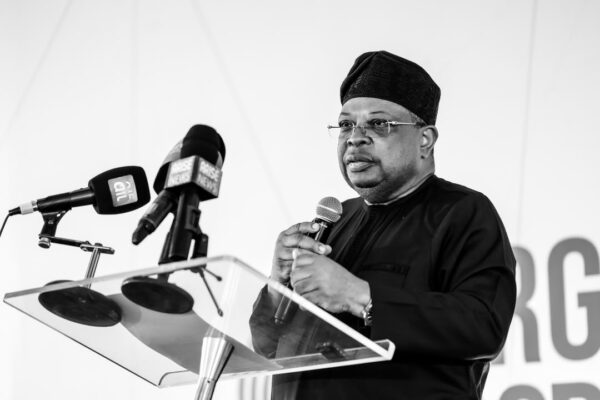
The Minister of Power, Joseph Tegbe, has commissioned a 3-megawatt solar hybrid power plant at Michael Okpara University of Agriculture, Umudike, Abia State, in a move aimed at improving electricity supply for teaching, research and administrative activities.
The facility, delivered under the Federal Government’s Energising Education Programme (EEP), comprises a 3.3-megawatt-peak solar array, 3MW AC output capacity and 2.2 megawatt-hours of battery storage.
The project, executed by the Rural Electrification Agency (REA) with support from the World Bank, also includes rehabilitated electricity distribution infrastructure, 288 streetlights and a renewable energy training centre. The centre has so far trained 100 students in renewable energy generation.
Before the commissioning, Abia State Governor Alex Otti received the delegation and commended the Federal Government for the intervention, highlighting its potential to strengthen education, research and industrial development in the state.
Speaking at the ceremony, Tegbe said the project reflected President Bola Tinubu’s commitment to improving educational infrastructure. He noted that the EEP had expanded to cover 33 universities and five teaching hospitals across the country.
The minister urged students and host communities to protect the facility and report vandalism involving solar installations, transformers and transmission towers. He also disclosed plans by the ministry to establish an anonymous reporting line, with financial rewards for credible information.
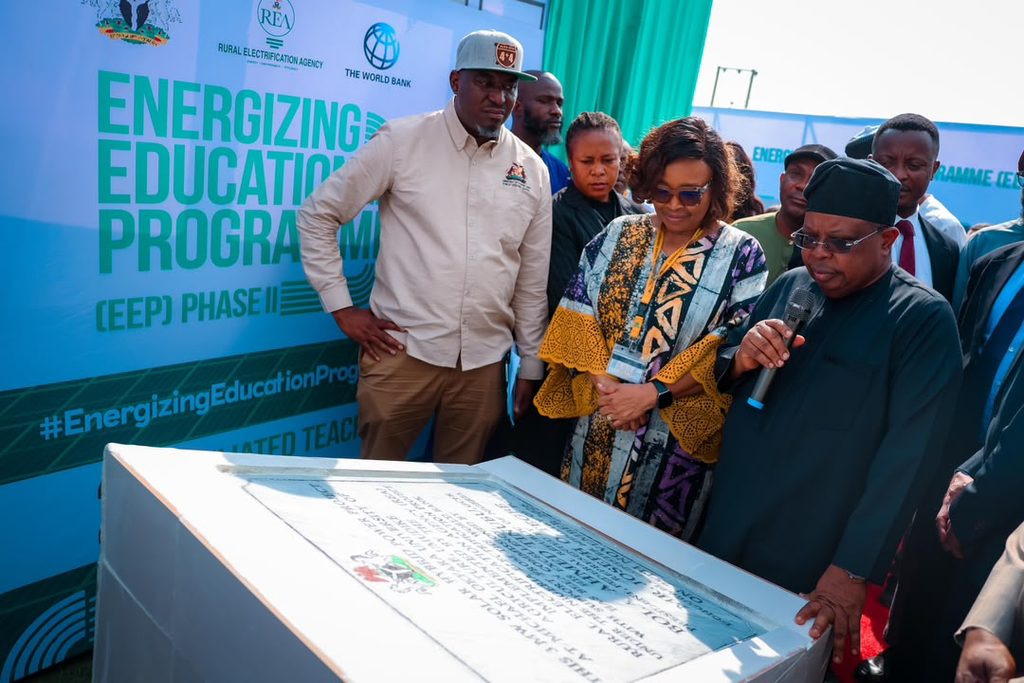
REA Managing Director, Abba Abubakar Aliyu, described the project as both an electrification and industrialisation initiative, saying it could connect research activities at the university with manufacturing opportunities in Aba.
He challenged the institution to translate improved electricity supply into patents, commercialised research, businesses and employment opportunities.
Zebra News reports that Aliyu also linked the intervention to the broader $750 million DARES programme, which targets electricity access for 17.5 million Nigerians, while stressing the need for proper maintenance of the facility.
The commissioning was attended by government officials, lawmakers, university management and representatives of the World Bank.
