


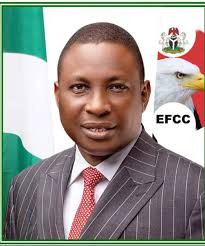
Chairman of the Economic and Financial Crimes Commission (EFCC), Ola Olukoyede, has disclosed that the agency is currently investigating 18 serving state governors across Nigeria for alleged financial misconduct and corruption.
Speaking at a stakeholder sensitisation forum in Lagos on Friday, Olukoyede emphasized that the EFCC is not waiting for governors to finish their terms before gathering evidence or pursuing investigations. Instead, the agency is laying the groundwork now and will escalate actions once those governors leave office.
“As I’m talking to you, I’m investigating about 18 governors who are still serving. When they leave (office), we will go to the next level,” he stated.
The event, which targeted stakeholders such as movie producers and bureau de change operators, focused on curbing naira abuse, especially the growing trend of currency mutilation and public spraying at events.
A Shocking Scene in London
In a gripping anecdote, Olukoyede recounted a bizarre episode involving a former Nigerian governor who fled the country the day after leaving office—only to be arrested in the UK for spraying large sums of British pounds during his birthday celebration.
“He organised a birthday party in the hotel where he was staying. While the party was going on, he started spraying 50-pound and 10-pound notes,” Olukoyede recalled.
The hotel manager, unfamiliar with such a lavish and unconventional display of wealth, suspected a mental breakdown and called emergency services, believing the ex-governor was mentally unwell. The Metropolitan Police arrived and arrested the former governor, preparing to have him taken away in an ambulance.
It took intervention from his guests — including two other Nigerian governors — to convince UK authorities that the man was not mentally ill, but a former public official celebrating in a uniquely Nigerian way.
Cracking Down on Cultural Currency Abuse
Olukoyede’s anecdote served as a vivid warning against the public abuse of currency — a practice that has come under increasing scrutiny in Nigeria. The EFCC boss is using such real-life stories to highlight the global embarrassment caused by these practices and to drum up support for cultural reforms around the use of money at public events.
He called on stakeholders, especially those in entertainment and finance, to help change the narrative by promoting lawful and respectful ways of celebrating.
What This Means
The revelation that 18 governors are under investigation is a bold statement from the EFCC, signaling that Nigeria’s anti-corruption agency is preparing for a major post-tenure crackdown. It also reflects the commission’s strategic shift toward proactive investigations rather than waiting until immunity wears off to start probing.
With more public support and collaboration from key industries, the EFCC appears poised to intensify its fight against corruption — both in politics and in everyday practices.
