


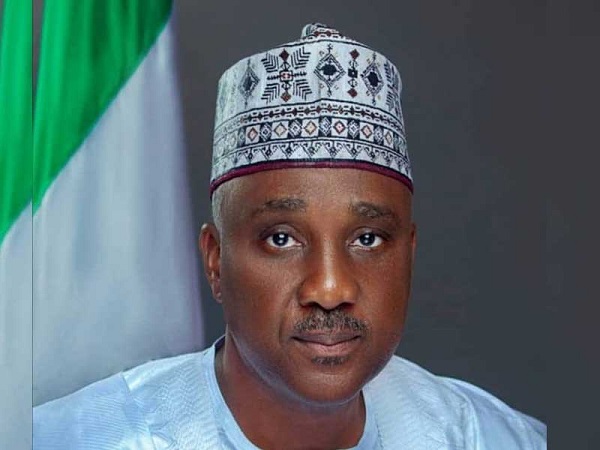
The Speaker of the House of Representatives, Tajudeen Abbas, has defended the National Assembly’s decision to adopt a hybrid system for transmitting election results, saying the move is designed to prevent voter disenfranchisement and curb apathy ahead of the 2027 general elections.
Under the amended Electoral Act recently signed by President Bola Ahmed Tinubu, election results may be transmitted electronically or manually, depending on the availability of infrastructure and operational feasibility.
Speaking on Sunday while receiving the Ambassador of Spain to Nigeria, Felix Costales, at the National Assembly complex in Abuja, Abbas said relying solely on real-time electronic transmission would be impractical given Nigeria’s current realities.
According to a statement issued by his Special Adviser on Media and Publicity, Musa Krishi, the Speaker noted that internet penetration and electricity supply remain inconsistent across large parts of the country.
“Even in advanced cities like Abuja, you are not guaranteed stable internet services all the time,” Abbas said, adding that reports from the Nigerian Communications Commission indicate that nearly 40 per cent of Nigeria’s territory remains underserved by internet coverage.
He warned that adopting an exclusively electronic system could effectively shut out millions of voters in areas without reliable connectivity. “If we are to introduce only the electronic system, it will further reduce participation because a significant portion of the country lacks adequate internet services,” he said.
Abbas also pointed to persistent voter apathy, noting that turnout in recent elections has hovered between 12 and 15 per cent of registered voters. According to him, reforms should focus on expanding participation rather than introducing barriers that could suppress it further.
The Speaker maintained that the hybrid approach strikes a balance, allowing electronic transmission where feasible while retaining manual processes in areas facing connectivity or power challenges. He argued that critics of the provision are aware of the country’s infrastructure limitations, including its ongoing energy crisis.
“The internet is backed by electricity. Without stable power, real-time nationwide transmission would be difficult to guarantee,” he said.
Abbas described Nigeria’s democratic development as gradual, expressing optimism that the country would continue to improve its electoral processes over time. He also called for stronger legislative collaboration with Spain to enhance technical expertise, particularly in legislative drafting.
Earlier, Ambassador Costales said his visit was aimed at strengthening parliamentary diplomacy and deepening ties between Spain and Nigeria. He pledged support for Nigeria’s democratic institutions and said Spain would continue to observe and engage with the country’s electoral process.
He noted that political polarisation is not unique to Nigeria, describing it as a global trend that often requires compromise and consensus-building to sustain democratic governance.
The recent amendment to the Electoral Act has sparked debate among political stakeholders and civil society groups. Supporters view the hybrid model as a pragmatic response to infrastructural challenges, while critics warn that its implementation must be carefully monitored to safeguard transparency and public trust in future elections.
