


As the political winds in Nigeria begin to shift ahead of the 2027 general elections, the country’s opposition movement is gaining traction—consolidating around the African Democratic Congress (ADC) as its unifying platform. But while leaders from across party lines rally to present a united front, the ruling All Progressives Congress (APC) isn’t losing sleep.
At the heart of this realignment is a growing coalition of influential political figures including former Vice President Atiku Abubakar, Labour Party’s Peter Obi, ex-Kaduna Governor Nasir El-Rufai, and others who are working to dislodge President Bola Tinubu from power. Following a high-level meeting at the Transcorp Hilton Hotel in Abuja, the coalition announced the adoption of the ADC as its political vehicle—signaling a fresh direction for Nigeria’s opposition.
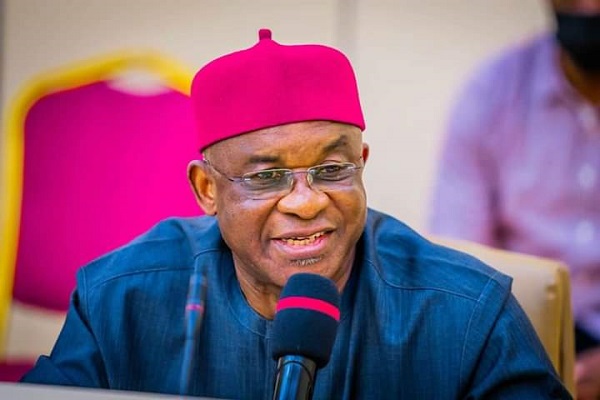
Former Senate President David Mark has been named interim national chairman of the ADC, with ex-Osun Governor Rauf Aregbesola taking the role of interim national secretary. Their appointments are seen as strategic moves meant to lend credibility and experience to the emerging political force.
In a strongly worded communiqué signed by Mark, the coalition didn’t hold back:
“The APC government, which came into being on the false and evil propaganda to save Nigeria from the PDP, is now a disaster to our nation and therefore must be voted out of power.”
The statement urged all patriotic Nigerians and disillusioned PDP members to rally behind the coalition in what it described as a battle to rescue Nigeria’s democracy and restore good governance.
A Coalition of Convenience—or Conviction?
The coalition includes some of the country’s most prominent PDP figures: Sule Lamido, Aminu Tambuwal, Uche Secondus, Liyel Imoke, Babangida Aliyu, and Sam Egwu, among others. While some leaders may remain within the PDP, they have pledged to work towards the success of the ADC’s presidential candidate, creating what one insider called a “personal alliance.”
Still, unity remains a fragile concept. The opposition parties—PDP, Labour Party, NNPP, and SDP—have faced internal fractures of their own. This coalition may be their best shot at mounting a serious challenge to the APC, but much depends on how these leaders manage ambition, egos, and competing interests.
Interestingly, while opposition leaders point to deteriorating economic conditions and worsening security under Tinubu, the APC is dismissing the coalition altogether.
APC Fires Back: “Dead on Arrival”
Bala Ibrahim, APC’s Director of Publicity, mocked the opposition’s efforts, saying:
“The coalition is dead on arrival. All of them are doing it for selfish reasons and not in the interest of Nigerians… They’ve been defeated before, and they’ll be defeated again in 2027.”
Ibrahim even credited the Tinubu administration for creating the peaceful atmosphere that allows such political meetings to take place without fear or harassment—a statement some saw as ironic given the growing frustration in many parts of the country.
Aregbesola: “We Must Be Different”
In contrast, Rauf Aregbesola, the newly appointed ADC national secretary, emphasized a need for substance over slogans.
“Our political landscape is plagued by parties that lack ideological depth… We must be the party that talks about public education and actually builds schools. That believes in jobs and works to create them,” he said in his acceptance speech.
He called on Nigerians to hold the coalition accountable, framing the moment as one of rebirth for meaningful opposition politics.
Realignment or Rebranding?
As conversations around a single-term presidency—an idea floated by Peter Obi—gain momentum, figures like Aregbesola and former SGF Babachir Lawal say the focus remains on shared values, not personalities.
“This is not a competition,” Aregbesola’s aide, Sola Fasure, explained. “The coalition is coalescing around a shared vision. What Obi said is what all of them equally subscribed to.”
Whether this emerging front proves cohesive or collapses under the weight of ambition remains to be seen. What’s clear is that Nigeria’s political landscape is shifting. The opposition knows the stakes—and so does the APC.
As the 2027 race inches closer, Nigerians are watching, waiting, and hoping that this realignment delivers more than just new faces on old platforms.
