


The Nigerian Senate has revised key provisions of the Electoral Act (Repeal and Re-enactment) Bill, 2026, reducing the mandatory notice period for general elections from 360 days to 300 days.
The adjustment is largely seen as a proactive step to ensure the 2027 presidential and National Assembly elections do not fall within the Muslim holy month of Ramadan.
The decision followed a reconsideration of the earlier version of the bill, after lawmakers raised concerns that the previous 360-day requirement might compel the Independent National Electoral Commission (INEC) to schedule elections during the fasting period.
Senate Leader Opeyemi Bamidele moved a motion to revisit the clause under the Senate’s standing rules. He explained that a careful review of the bill revealed that maintaining the 360-day notice window could unintentionally push the 2027 general elections into Ramadan.
According to him, conducting elections during the religious observance could negatively affect voter turnout, disrupt logistics, limit stakeholder participation, and ultimately impact the credibility and inclusiveness of the electoral process.
Under the newly adopted clause 28, INEC is now required to publish election notices no later than 300 days before the scheduled date. The notice must clearly state the election date and designate where nomination papers will be submitted, with publication required across all states and constituencies, including the Federal Capital Territory.
The amendment came after consultations between National Assembly leaders and INEC officials. The electoral body had earlier scheduled the presidential and National Assembly elections for February 20, 2027, with governorship and state assembly elections slated for March 6, 2027.
Chairman of the Senate Committee on Electoral Matters, Simon Lalong, clarified that the current INEC chairman, Joash Amupitan, did not intentionally fix the dates to coincide with Ramadan. He noted that the election timetable framework was originally established by former INEC Chairman Mahmood Yakubu, covering election cycles from 2019 through 2031.
Beyond the election timeline, senators also debated clause 60 of the bill, which addresses the transmission of election results. The chamber voted to retain a provision allowing manual transmission where electronic systems fail due to network challenges.
Senator Enyinnaya Abaribe called for a formal vote on the clause, opposing the inclusion of manual transmission.
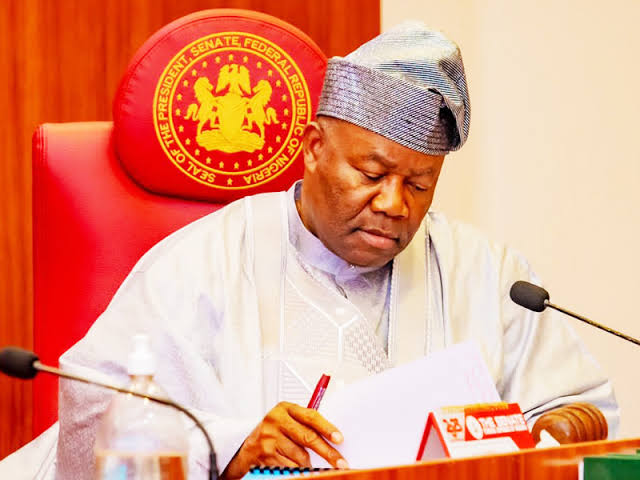
Presiding over the session, Senate President Godswill Akpabio described the vote as “democracy in action” and directed lawmakers to publicly indicate their positions.
When the votes were counted, 55 senators supported retaining the manual transmission safeguard, while 15 voted against it. Akpabio commended the majority, stating that their decision had helped to protect Nigeria’s democracy.
With the vote, the Senate reaffirmed that while electronic transmission remains permissible, the duly signed Form EC8A will serve as the authoritative record of results in cases where technology fails.
The Electoral Act (Repeal and Re-enactment) Bill, 2026, was subsequently passed by the upper chamber.
