


Italian football has been thrown into deeper turmoil following the resignation of Gabriele Gravina and a warning from UEFA president Aleksander Ceferin that the country could lose its role as co-host of the 2032 European Championship.
Gravina stepped down during an emergency meeting of the Italian Football Federation, just two days after Italy national football team failed to qualify for the World Cup for a third consecutive time, losing on penalties to Bosnia and Herzegovina national football team. Calls for reform had intensified in recent days, with sports minister Andrea Abodi urging a leadership overhaul.
The crisis deepened further with the resignation of former goalkeeper Gianluigi Buffon. Focus has now shifted to head coach Gennaro Gattuso, whose position is understood to be under serious threat after failing to secure qualification. Gattuso had taken over from Luciano Spalletti in June 2025.
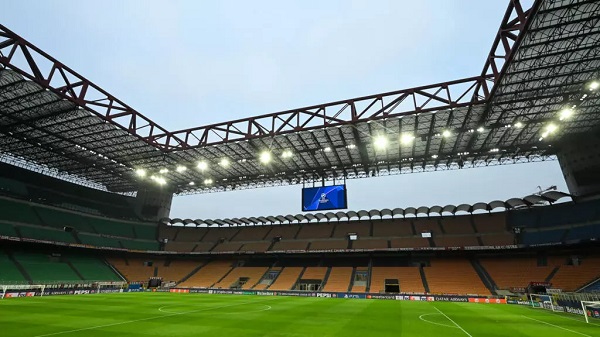
A new federation president is expected to be elected in June, but the incoming leadership will face significant structural challenges. Italy is due to co-host UEFA Euro 2032 alongside Turkey, although concerns over ageing stadium infrastructure have intensified.
Ceferin warned that hosting rights are contingent on urgent improvements. “Euro 2032 will take place, but if the infrastructure in Italy is not ready, the tournament will not be held there,” he said, describing the country’s facilities as among the worst in Europe.
Under current plans, Italy must select five host venues by October from an initial list of 11 cities. At present, only the Allianz Stadium meets UEFA standards. Proposed upgrades to San Siro, Stadio Diego Armando Maradona and Stadio Artemio Franchi, as well as plans for a new stadium in Rome, are facing tight deadlines, with construction required to begin by March 2027.
Ceferin also pointed to deeper systemic issues within Italian football, including longstanding tensions between governance structures and political influence. While acknowledging his close working relationship with Gravina—who also serves as UEFA’s first vice-president—he stressed that the challenges extend far beyond any single individual.
Gravina, who became federation president in 2018 and oversaw Italy’s triumph at UEFA Euro 2020, admitted the scale of the crisis following the latest setback, stating that Italian football now requires a comprehensive overhaul.
