


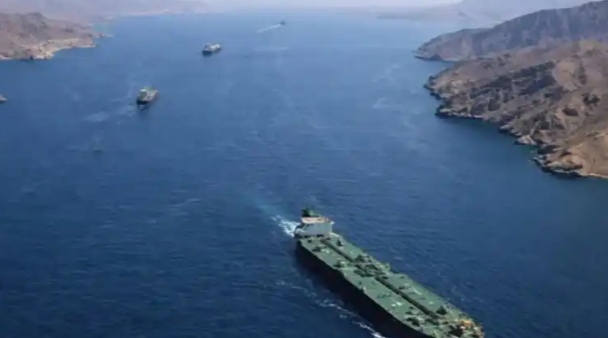
Iran has agreed to reopen the Strait of Hormuz for a two-week period, signalling a potential de-escalation in tensions with the United States and Israel.
Speaking on Tuesday evening, Iranian Foreign Minister Abbas Araghchi confirmed that Tehran would also suspend what it described as “defensive operations”, provided that attacks by the United States and Israel cease.
“For a period of two weeks, safe passage through the Strait of Hormuz will be possible via coordination with Iran’s Armed Forces and with due consideration of technical limitations,” Mr Araghchi stated. He added that Iran’s military operations would halt if hostilities against the country were brought to an end.
However, Iran’s Supreme National Security Council stressed that the arrangement does not constitute a formal end to the conflict. In a statement, the council said any lasting resolution would depend on Washington accepting the conditions outlined in Iran’s proposed ten-point plan.
“It is emphasised that this ceasefire agreement does not mean the end of the war,” the council said, adding that a final settlement would require further negotiations to agree on detailed terms.
Talks between Iran and the United States are expected to take place in Islamabad, with Pakistan acting as a key mediator. Former US President Donald Trump, announcing the ceasefire on social media, credited discussions with Pakistan’s Prime Minister Shehbaz Sharif and military chief Field Marshal Asim Munir as instrumental in reaching the temporary agreement.
Mr Trump said he had agreed to suspend US military strikes for two weeks, conditional on Iran ensuring the “complete, immediate, and safe” reopening of the Strait of Hormuz.
In response, Prime Minister Sharif welcomed the development, stating that both sides had shown “remarkable wisdom and understanding”. He expressed hope that the upcoming “Islamabad Talks” would lead to a more durable peace.
Iran’s ten-point proposal reportedly includes demands for assurances against further US military action, continued Iranian control over the Strait of Hormuz, recognition of its uranium enrichment programme, compensation payments, the withdrawal of US forces from the region, and the lifting of sanctions.
Tehran has also reiterated its commitment not to pursue nuclear weapons.
The two-week ceasefire, which Israel is also said to have accepted, is expected to take immediate effect. Reports indicate that the United States has already issued orders to suspend offensive military operations against Iran.
