


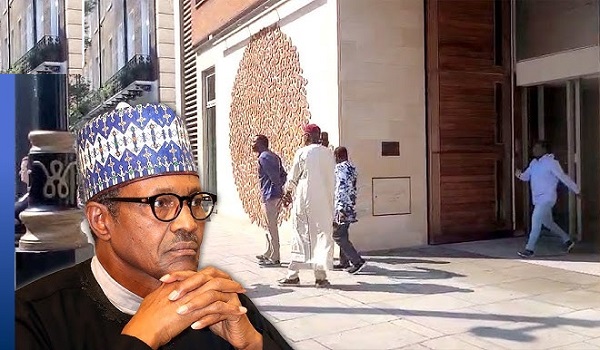
The recent passing of Nigeria’s former President Muhammadu Buhari at The London Clinic has reignited national debate over the country’s troubled healthcare system and the political elite’s continued dependence on foreign hospitals.
Buhari died on Sunday, July 13, 2025, in one of the United Kingdom’s most exclusive private medical facilities. He had reportedly traveled to London in April for what was initially described as a routine check-up but suffered a sudden relapse while preparing for discharge.
“He was in high spirits the night before and looking forward to being discharged,” said his nephew, Mamman Daura. “But by midday Sunday, he began having breathing challenges. Doctors rushed in, but sadly, he passed away around 4:30 p.m.”
Though the exact cause of death has not been disclosed, Buhari had battled chronic health issues for many years, with several medical trips abroad during and after his presidency.
A Glimpse into The London Clinic where Buhari died
The London Clinic, founded in 1932 and located in the prestigious Harley Street medical district, is renowned for its world-class facilities and clientele. From advanced cancer treatments to robotic surgeries, the hospital serves over 120,000 patients a year and has counted political leaders and royalty among its patients.
With consultation fees ranging from £100 to £750 and surgeries costing up to £13,000, The London Clinic is not for the average citizen. An overnight stay in the Intensive Care Unit alone can cost up to £3,500. Yet, its appeal to Nigeria’s political elite lies in the promise of discretion, cutting-edge technology, and premium care.
Medical Tourism or Systemic Failure?
Buhari was no stranger to medical tourism. During his eight-year presidency, he spent over 225 days abroad on medical trips, mainly to the UK. His visits often coincided with crises in Nigeria’s own healthcare system—including strikes by local doctors demanding better pay and working conditions.
Ironically, in 2021, Buhari approved a N21 billion Presidential Wing at the State House Clinic in Abuja, promising to end medical tourism for government officials. As of 2022, over N10 billion had been spent on the facility. Yet, both Buhari and his successor, President Bola Tinubu, have continued to seek treatment overseas.
A Legacy of Lavish Spending
Between 2007 and 2022, Nigeria reportedly spent N13.4 billion funding international medical trips for Presidents Buhari, Goodluck Jonathan, and Umaru Musa Yar’Adua. This includes dozens of visits across 40 countries, sometimes for check-ups, other times for complex procedures.
The numbers are staggering—but they tell a deeper story of misplaced priorities. Successive administrations have poured billions into travel expenses while the country’s healthcare system continues to suffer from underfunding, equipment shortages, and brain drain.
A Healthcare Sector Left Behind
Medical professionals and advocacy groups in Nigeria are disillusioned.
Dr. Tope Osundara, President of the Nigerian Association of Resident Doctors (NARD), called Buhari’s foreign treatment an “indictment” of the country’s leadership. “It’s like building a factory, then importing everything you need from abroad while your own workers sit idle,” he said.
Osundara also criticized the late President’s spokesperson, Femi Adesina, who recently claimed Buhari might have died sooner had he sought care in Nigeria. “That’s a dangerous narrative,” Osundara argued. “It suggests Nigerian doctors are incompetent—which is simply untrue.”
The President of the Nigerian Medical Association, Prof. Bala Audu, echoed these concerns. While he acknowledged that patients can choose where to seek care, he emphasized that public officials have a duty to lead by example. “When they consistently bypass Nigerian hospitals, it reflects a lack of trust in the system they are meant to develop,” he said.
Building Trust in Nigerian Healthcare
The experts agree: the core of the problem isn’t a lack of expertise. Nigeria has produced some of the world’s finest doctors, many of whom are practicing abroad. The challenge lies in poor infrastructure, outdated equipment, and the lack of political will to improve conditions at home.
Prof. Muhammad Muhammad, President of the Medical and Dental Consultants’ Association of Nigeria, called for massive investment in both public and private health infrastructure. He pointed to countries like India and Egypt, where government incentives helped local hospitals become globally competitive.
“If we create enabling environments—tax waivers, access to capital, duty exemptions—we can build world-class hospitals here. That’s how to stop this dangerous cycle,” Muhammad said.
Final Thoughts
Buhari’s death at The London Clinic is not just the passing of a former head of state—it’s a stark symbol of the long-standing failures in Nigeria’s healthcare system. His life and choices, even in death, reflect a broader national tragedy: a country rich in talent, but poor in political resolve to build a healthcare system its leaders can actually trust.
