


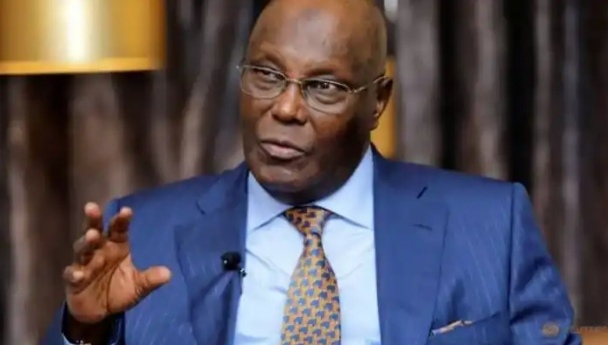
Former Vice President Atiku Abubakar has once again stirred national debate this time by revisiting how the Obasanjo administration swiftly handled the early threat of Boko Haram in the early 2000s.
During a meeting in Abuja on Wednesday with stakeholders from Kogi East Senatorial District, led by ex-Kogi Deputy Governor Simon Achuba, Atiku offered a rare look behind the scenes at how the government tackled the extremist group when it first appeared.
According to Atiku, Boko Haram’s roots trace back to 2002 in Yobe State. Back then, he said, President Obasanjo didn’t waste time. In a video posted on his Facebook page, Atiku shared that Obasanjo immediately called him in to strategize.
“The president sent for me. ‘VP, what do we do about this?’” Atiku recalled.
“I said, ‘Mr President, let’s call the Service Chiefs and give them a deadline. If they can’t put it down, then they should put down their uniform and go away.’”
Obasanjo took that advice seriously. The Service Chiefs were summoned and given direct orders. Within a few weeks, Atiku says, the insurgency was crushed.
“It never came up again until we left office,” he added.
A Missed Opportunity?
So what went wrong? Why did Boko Haram return, stronger and deadlier, in the years that followed?
Atiku didn’t mince words. He placed the blame squarely on the shoulders of Nigeria’s subsequent leaders.
“There’s a lack of political will. When they’re killing your citizens and you don’t give a damn that is the greatest irresponsibility by any political leader, anywhere,” he said.
The former VP criticized what he sees as a pattern of indecisiveness in tackling Nigeria’s deepening insecurity. He argued that strong leadership not just military might is essential to keeping peace.
“I hold our leadership responsible for all the insecurity that is going on all over the place,” Atiku declared.
Looking Back to Move Forward?
Atiku served as Nigeria’s Vice President from 1999 to 2007, during a pivotal time in the country’s return to civilian democracy. His comments come amid growing frustration over insecurity across Nigeria from insurgency in the North to banditry and kidnapping across the country.
Whether seen as a critique or a call to action, Atiku’s message is clear: Nigeria’s fight against insecurity hinges on bold political leadership not just firepower.
