


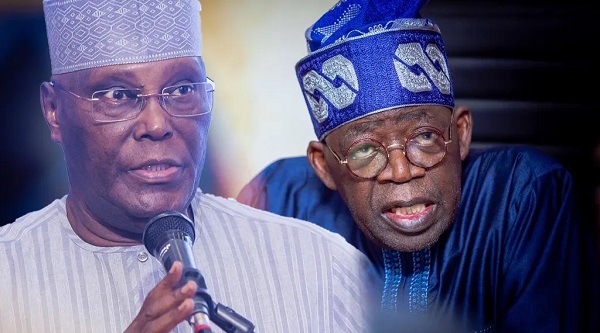
The African Democratic Congress (ADC) presidential candidate, Atiku Abubakar, has rejected the Presidency’s defence of President Bola Tinubu’s economic policies, insisting that official assurances cannot conceal the economic hardship experienced by millions of Nigerians.
His remarks followed comments by the President’s Special Adviser on Information and Strategy, Bayo Onanuga, who defended the administration’s reforms, arguing that the removal of the petrol subsidy had significantly increased allocations to states and local governments through the Federation Account Allocation Committee (FAAC).
In a statement issued on Monday by his Senior Special Assistant on Public Communication, Phrank Shaibu, Atiku accused the government of relying on favourable economic statistics while ignoring the realities confronting ordinary Nigerians.
He questioned the administration’s claims of economic progress, arguing that rising poverty, inflation and declining purchasing power had undermined living standards despite improvements in some macroeconomic indicators.
According to Atiku, governments should be judged by their ability to improve the welfare of citizens rather than economic data. He maintained that many families continue to struggle with the rising cost of food, transport and other essentials, despite repeated assurances that reforms would deliver long-term benefits.
The former Vice-President also questioned the government’s continued borrowing, despite claims of higher revenue, increased tax collection and lower debt servicing costs. He argued that Nigerians had yet to experience the promised gains from the removal of the fuel subsidy.
Atiku further criticised the administration’s tax policies, saying businesses were facing mounting production costs and an increasingly difficult operating environment. Citing figures from the Manufacturers Association of Nigeria (MAN), he claimed that hundreds of manufacturing firms had closed or were operating under severe financial distress, while several multinational companies had exited local manufacturing.
He urged the Presidency to focus on improving living standards, employment, healthcare and education, arguing that these, rather than official economic indicators, remain the true measure of government performance.
