


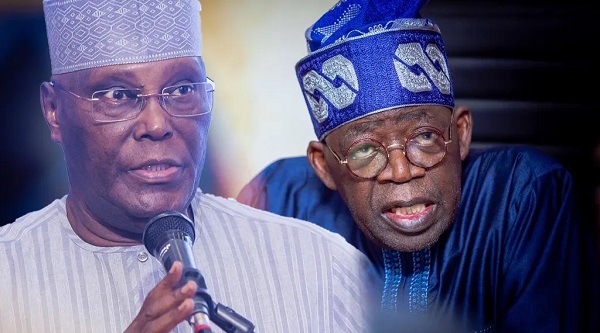
Former Vice President Atiku Abubakar has criticised the administration of President Bola Tinubu following reports that the Federal Government is in talks to secure a fresh $1.25bn loan from the World Bank, warning that Nigeria is sliding further into unsustainable debt with little visible benefit to citizens.
In a statement issued on Sunday through his media aide, Olusola Sanni, Atiku described the proposed facility as part of what he called a “reckless” and “habitual” reliance on borrowing by the Tinubu administration, despite rising economic hardship across the country.
Zebra News understands that the comments come amid ongoing debate over Nigeria’s debt trajectory and the government’s widening reliance on external financing to support budgetary needs and economic reforms.
Atiku said it was troubling that an administration elected on promises of economic revival had become associated with what he termed “industrial-scale borrowing”, while Nigerians continue to face inflation, high energy costs, food insecurity and weakening purchasing power.
“This borrowing binge is becoming reckless, opaque, and dangerously habitual,” he said, warning that the burden of repayment would fall heavily on citizens.
He added that despite assurances that borrowing was directed towards infrastructure, power and economic recovery, many Nigerians were still experiencing poor electricity supply, deteriorating roads, rising business costs and widespread hunger.
Zebra News notes that the former vice president also called on the World Bank and other international lenders to impose stricter transparency and accountability requirements on Nigeria before approving further credit facilities.
Atiku questioned the justification for continued borrowing at a time when the government has pointed to reforms such as fuel subsidy removal, foreign exchange liberalisation and improved revenue collection as evidence of stronger public finances.
He also cited concerns that Nigeria is among countries with high exposure to International Development Association (IDA) loans, arguing that this contradicts claims of improved revenue generation.
According to him, Nigeria risks returning to a debt crisis reminiscent of the period before the Paris Club debt relief secured in 2005 and 2006 under former President Olusegun Obasanjo’s administration.
He warned that recent borrowing levels could undermine the legacy of that debt relief, stating that Nigeria appeared to be drifting back into dependency.
Atiku further accused the government of confusing borrowing with governance, insisting that loans should not be presented as achievements.
“Debt is not development,” he said, adding that borrowing without measurable outcomes amounts to “economic mismanagement”.
He urged international financial institutions to demand clearer evidence of impact before extending further credit, arguing that continued lending without results raises concerns about fiscal discipline.
Zebra News reports that he also called for the publication of a full breakdown of all loans secured since President Tinubu assumed office, including terms, disbursement details and associated projects.
Since taking office in May 2023, the Tinubu administration has relied heavily on both domestic and external borrowing to finance budget deficits and support economic reforms.
Data from the Debt Management Office indicates that Nigeria’s public debt has risen significantly, driven by new borrowing and the impact of currency depreciation, which has increased the naira value of external obligations.
The Federal Government has defended its borrowing approach, arguing that many of the loans are concessional and targeted at infrastructure, social welfare, healthcare, agriculture and power sector reforms.
Officials maintain that the administration inherited a weakened economy affected by subsidy payments, low revenues and rising debt servicing costs, making external funding necessary to avoid fiscal instability.
However, critics argue that rising inflation, persistent currency pressure and worsening living conditions suggest that Nigeria’s debt burden is becoming increasingly unsustainable.
Zebra News understands that concerns over debt servicing and long-term economic stability continue to dominate public debate, particularly as the country explores additional external financing options.
As of the time of filing this report, the Presidency and the Federal Ministry of Finance had yet to respond to Atiku’s latest comments.
