


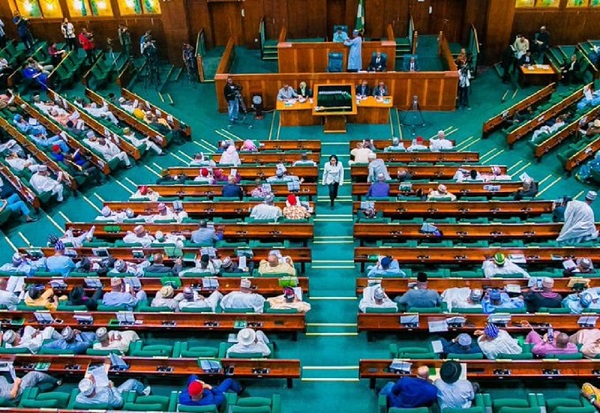
In a move that could reshape Nigeria’s democratic landscape, a bill proposing mandatory voting for all eligible Nigerians has passed second reading in the House of Representatives.
The bill, sponsored by Speaker of the House, Tajudeen Abbas, gained momentum on Thursday after extensive debate among lawmakers, signaling a growing interest in addressing voter apathy and increasing civic participation.
What the Bill Proposes
If passed into law, the bill would make it compulsory for every qualified Nigerian to vote during elections. While the full details of enforcement mechanisms and possible penalties are still being debated, proponents argue that compulsory voting could lead to:
- Higher voter turnout
- Greater political accountability
- More representative outcomes
Speaker Abbas emphasized the need to strengthen Nigeria’s democracy by ensuring that every citizen plays an active role in shaping the country’s future.
Why It Matters
Nigeria has long struggled with low voter turnout, especially in national and local elections. Despite having a population of over 200 million people, many elections are decided by a small fraction of registered voters.
Supporters of the bill say mandatory voting could help reverse this trend, while critics argue that citizens should have the freedom to abstain if they choose.
What’s Next?
Having scaled the second reading, the bill will now move to the committee stage, where its specifics will be reviewed in more detail. Public reactions, legal implications, and enforcement logistics are likely to be key discussion points in the coming weeks.
As the debate continues, one thing is clear: Nigeria is at a crossroads between encouraging democratic participation and legislating it.
