


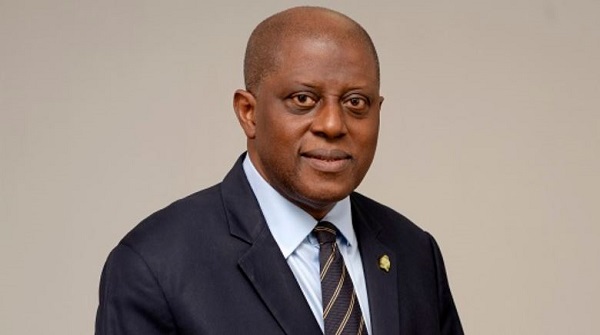
The Governor of the Central Bank of Nigeria (CBN), Yemi Cardoso, on Tuesday announced that 14 Nigerian banks have fully met the apex bank’s new capital requirements under the ongoing recapitalisation exercise.
Cardoso made this disclosure while presenting the communiqué of the 302nd Monetary Policy Committee (MPC) meeting held in Abuja. He also revealed a marginal cut in the Monetary Policy Rate (MPR) by 50 basis points, reducing it from 27.5% to 27%, in a move aimed at supporting economic recovery.
Bank Recapitalisation Update
The current recapitalisation drive, introduced earlier this year, is the first major capital base reform since 2004, when the CBN raised the minimum capital requirement from N2 billion to N25 billion, resulting in widespread mergers and acquisitions that consolidated the banking sector.
Under the new framework:
- Commercial banks (international licence) – N500 billion
- Commercial banks (national licence) – N200 billion
- Commercial banks (regional licence) – N50 billion
- Merchant banks – N50 billion
- Non-interest banks (national) – N20 billion
- Non-interest banks (regional) – N10 billion
Cardoso stated that the MPC acknowledged the significant progress, noting that 14 banks have fully met the new thresholds.
“The MPC urged the CBN to continue the implementation of policies and initiatives that would ensure the successful completion of the recapitalisation exercise,” Cardoso said.
Key Monetary Policy Decisions
In addition to the MPR cut, the MPC made several other adjustments:
- Standing facilities corridor adjusted to +250/-250 basis points around the MPR
- Cash Reserve Ratio (CRR) for commercial banks reduced to 45% (from 50%)
- CRR for merchant banks retained at 16%
- Liquidity ratio kept unchanged at 30%
- Introduction of 75% CRR on non-Treasury Single Account (TSA) public sector deposits
Cardoso explained that the policy shift was influenced by five consecutive months of disinflation, with inflation easing to 20.12% in August 2025, and positive projections for the rest of the year.
“This decision was informed by the need to support economic recovery and to consolidate recent gains in macroeconomic stability,” he said.
CBN Sees Improved Macroeconomic Outlook
Cardoso highlighted improving macroeconomic indicators including:
- Inflation decelerating for five consecutive months
- Exchange rate stability
- Improved output growth
- Robust external reserves: now at $43.05 billion as of September 11, 2025, up from $40.51 billion in July
- Current account surplus of $5.28 billion in Q2 2025 (up from $2.85 billion in Q1)
However, he warned about excess liquidity risks driven by fiscal injections from improved government revenues, calling for vigilance to prevent inflationary pressure.
Reactions from Economic Stakeholders
NECA: Policy Shift Welcomed, but Watch Implementation
The Nigeria Employers’ Consultative Association (NECA) welcomed the rate cut as a positive signal for businesses.
“If credit costs are lowered, businesses can access affordable financing, expand investments, and create jobs,” said Mr. Adewale-Smatt Oyerinde, NECA Director-General.
However, he cautioned: “The persistently high CRR and other liquidity restrictions risk limiting these intended outcomes.”
He added that food inflation, still at 21.87%, continues to hurt households, urging for broader reforms to ease the cost of living.
CPPE: Timely Support for Growth
Dr. Muda Yusuf, Director of the Centre for the Promotion of Private Enterprise (CPPE), said the policy adjustment was timely:
“This marks a significant shift toward supporting growth and investment. The 75% CRR on non-TSA deposits is a strategic move to contain liquidity surges from fiscal operations,” he noted.
ASBON: Positive Signal, But No Quick Fix
President of the Association of Small Business Owners of Nigeria (ASBON), Dr. Femi Egbesola, said the decision was commendable but its impact may not be immediate:
“It’s a good sign, but unless followed by consistent rate cuts and real reforms—like fixing infrastructure and power—the gains may not materialise quickly,” he said.
Highcap Securities: Concerns Over Sustainability
Financial analyst David Adonri, Vice Executive Chairman at Highcap Securities, expressed caution:
“Yes, inflation has moderated, but the risks from insecurity and global commodity price volatility remain high. Sustainability of this easing policy is still uncertain,” he warned.
