


In a bold move to modernize education and equip Nigerian students with globally relevant skills, the Federal Government has completed a comprehensive review of school curricula at all levels — basic, senior secondary, and technical education.
This announcement was made in a statement released by the Ministry of Education on Friday and shared with the media on Sunday. The ministry’s Director of Press and Public Relations, Boriowo Folasade, confirmed the development, stating that the revised curriculum is part of ongoing efforts to make Nigerian learners “future-ready.”
A Collaborative Overhaul of Nigeria’s Education System
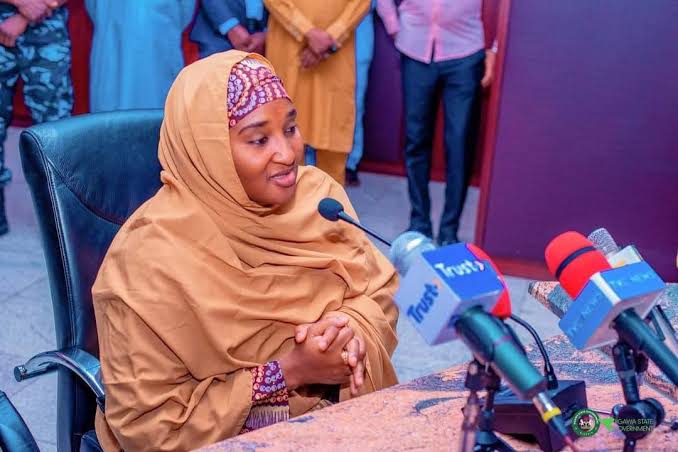
The curriculum review, led by the Minister of State for Education, Prof. Suwaiba Ahmad, was announced on behalf of the Minister of Education, Dr. Maruf Alausa, during a briefing in Abuja.
The process involved collaboration with major education stakeholders, including:
- Nigerian Educational Research and Development Council (NERDC)
- Universal Basic Education Commission (UBEC)
- National Senior Secondary Education Commission (NSSEC)
- National Board for Technical Education (NBTE)
The focus of the new curriculum framework is not simply on reducing the number of subjects, but on improving content to encourage deeper understanding and reduce cognitive overload among students.
What’s Changing?
Here’s a breakdown of the new subject structure across various levels:
- Primary 1–3: 9 to 10 subjects
- Primary 4–6: 10 to 12 subjects
- Junior Secondary: 12 to 14 subjects
- Senior Secondary: 8 to 9 subjects
- Technical Schools: 9 to 11 subjects
This new structure is expected to free up more time for meaningful learning while ensuring that students aren’t overwhelmed by excessive content.
Prof. Ahmad emphasized that the goal is to improve learning outcomes by making education more practical, relevant, and aligned with global standards.
While no specific rollout date has been announced, the Ministry confirmed that implementation will be done in phases. Relevant agencies will provide oversight to ensure effective adoption across the country’s schools.
Importantly, the government has pledged strict monitoring to support a smooth transition.
Though there were earlier plans to begin the implementation in January 2025, the Minister of Education, Dr. Maruf Alausa, has since postponed the rollout to September 2025.
This follows an earlier announcement by former Education Minister, Prof. Tahir Mamman, who had introduced the new curriculum with a requirement that pupils in basic education must acquire at least two vocational skills.
The revised Nigerian school curriculum marks a significant step toward transforming the country’s education system to meet the demands of the 21st century. With a sharper focus on practical skills, reduced content overload, and improved learning outcomes, the reform aims to better prepare students for a rapidly evolving world.
As the implementation date draws nearer, all eyes will be on how the transition unfolds — and whether it delivers the long-promised boost in educational quality and relevance.
