


The Federal Ministry of Foreign Affairs has unveiled Asfaar, Nigeria’s first indigenous visa application centre, designed to streamline visa processing and tackle widespread concerns about document integrity and travel fraud.
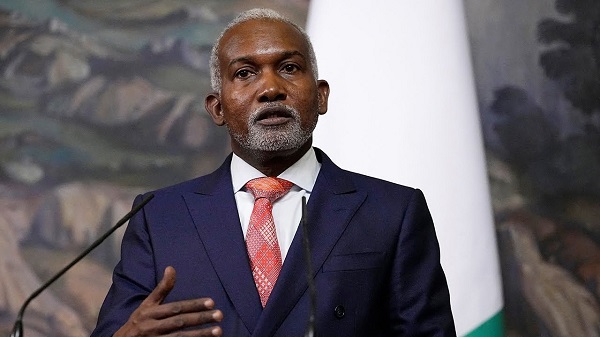
Speaking at the official press launch and media tour in Abuja on Tuesday, Minister of Foreign Affairs Yusuf Tuggar — represented by his special assistant on media and communications strategy, Alkasim Abdulkadir — described Asfaar as a strategic move to safeguard Nigeria’s sovereignty and restore confidence in the authenticity of its travel documents.
“Before now, one of the major issues countries had with Nigeria was the sanctity and integrity of its data,” Tuggar said. “They would say, ‘We’re not sure whether it’s your country — people have fake passports or travel using data from other nations.’”
Tuggar emphasized that recent collaborations with the Office of the National Security Adviser (ONSA), the National Identity Management Commission (NIMC), and the foreign affairs ministry have helped strengthen the reliability of official data. Asfaar, he noted, comes at a time when these reforms are gaining momentum.
“Asfaar uses its processes to ensure a further verification of the data provided. This marks a new chapter in restoring trust in Nigeria’s documentation,” he added.
Currently, many visa application centres operating in Nigeria — including prominent names like French-owned TLScontact and VFS Global — are based in the UAE. The creation of a homegrown solution, Tuggar said, reflects Nigeria’s commitment to asserting more control over its global mobility footprint.
Jamil Hausawi, CEO of Asfaar, explained that the centre was founded to ease increasing visa restrictions and support Nigerians navigating complex international travel requirements.
“While embassies still control visa approvals, Asfaar provides a structure where Nigerian government agencies can intervene if applicants face issues,” he said.
Hausawi outlined a three-phase rollout of Asfaar’s services:
- Phase One: Focused on Arab and Gulf states, which see a high volume of Nigerian visitors annually, particularly for religious pilgrimages such as Hajj and Umrah.
- Phase Two: Targeted expansion into Asia and Australia.
- Phase Three: Gradual introduction of services for Europe and the United States.
Though currently offering only skeletal services, Asfaar expects to begin full operations once integration with embassies and consulates is completed.
Nelson Obiabo, the agency’s spokesperson, said this phased approach ensures that Asfaar delivers secure and efficient service without compromising standards.
With this launch, Nigeria joins a growing number of countries seeking to nationalize their visa processing infrastructure — both to protect citizens from exploitation and to improve the global perception of its travel documents.
