


Amid a spate of mass abductions and rising insecurity across Northern Nigeria, the 19 Northern governors have scheduled an emergency meeting for November 29, 2025, in Kaduna. The decision comes as several states shut schools and security agencies heighten surveillance following a series of attacks on educational institutions.
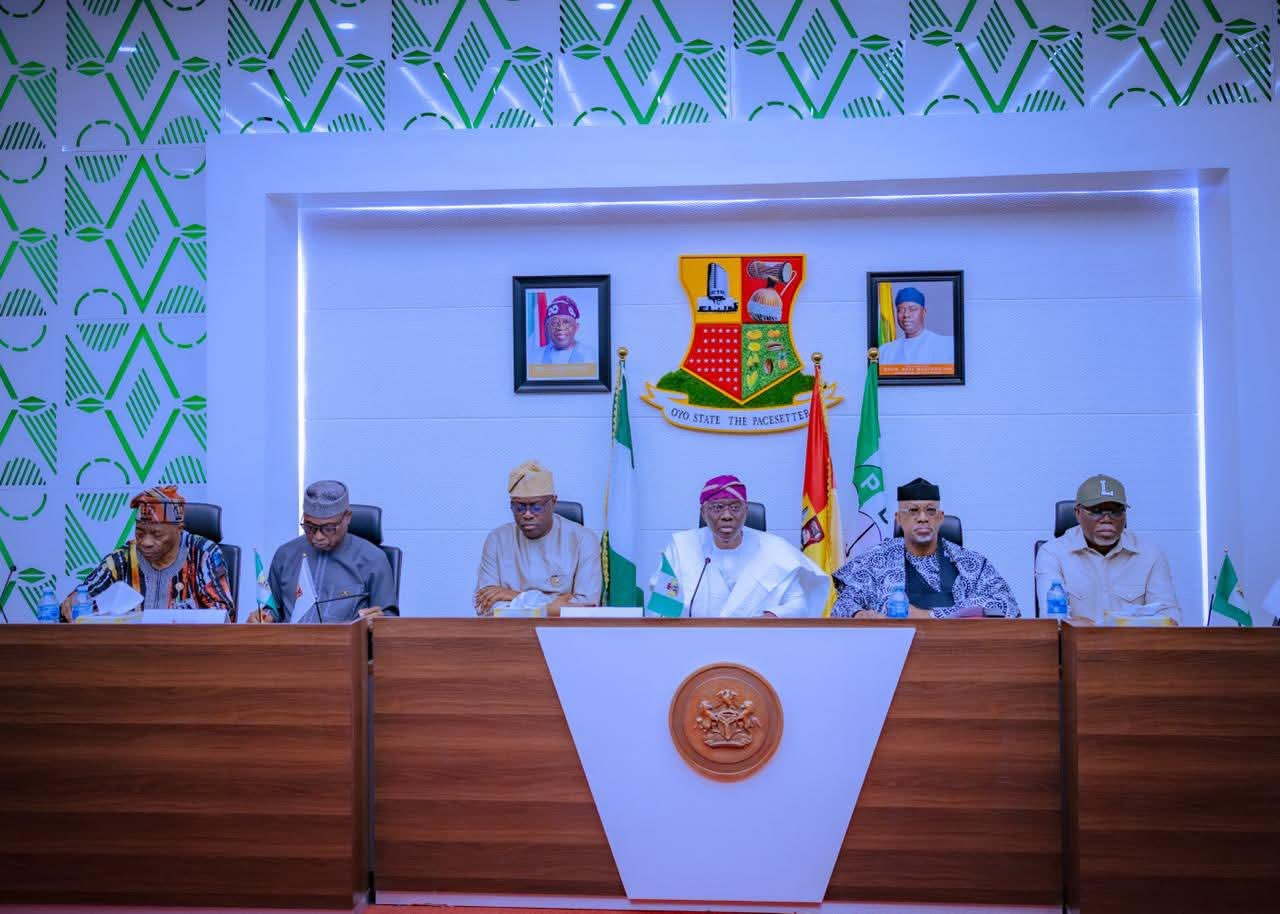
The planned Northern governors’ meeting follows a similar gathering by South-West governors in Ibadan on Monday, where the region’s leaders renewed calls for the creation of state police and urged the Federal Government to secure forest belts that have become criminal hideouts.
Confirming the Northern governors’ emergency session, Peter Ahemba, Senior Special Assistant to Nasarawa State Governor Abdullahi Sule, said the meeting would focus on coordinated action against kidnapping, banditry and other security threats. He noted that Governor Sule cut short his trip to the G20 Summit in South Africa to address the escalating crisis.
Recent attacks have heightened tensions across the region. Last week, gunmen abducted at least 24 schoolgirls and killed a vice principal at the Government Girls Comprehensive Secondary School in Maga, Kebbi State. Days later, over 300 students and staff were seized during an attack on St. Mary’s Catholic schools in Papiri, Niger State, though some later escaped.
The deteriorating situation has prompted widespread school closures. Bauchi State ordered all schools—public, private and tertiary—to shut immediately, citing overwhelming security concerns. Federal Polytechnic Bauchi also suspended academic activities in compliance with the directive. Gombe State police, meanwhile, have intensified surveillance around vulnerable schools following strategy meetings with education officials.
Security concerns have triggered political, community and religious responses across the country. Plateau State Governor Caleb Mutfwang is expected to unveil a security plan as the state grapples with its own crisis, while Kebbi State Governor Nasir Idris has urged President Bola Tinubu to review the nation’s security architecture after last week’s school abduction. During a condolence visit to Kebbi, House Speaker Tajudeen Abbas condemned the killings, announced financial support for victims’ families, and called for the slain vice principal to be immortalised.
Civil society groups are also raising alarm. Amnesty International warned that mass kidnappings are deepening an educational crisis and could push thousands more children out of school. The Academic Staff Union of Universities and the Nigeria Union of Teachers criticised government inaction, warning they may withdraw services in highly volatile areas.
In the South-West, governors resolved to create a regional security fund, establish a live intelligence-sharing platform, and intensify interstate border monitoring. They recommitted to state police, saying “the time is now.”
Religious communities have also mobilised in response to the worsening situation. In Borno State, Christian congregations held prayer sessions in Maiduguri after Governor Babagana Zulum called for statewide fasting and prayer. The Christian Association of Nigeria in Plateau State announced a five-day “Jos Jesus Crusade” in December aimed at promoting peace and unity.
As insecurity continues to spread across regions and institutions, all eyes are on the upcoming Northern governors’ meeting in Kaduna, where stakeholders expect decisive measures to stem the growing threat.
