


Nigeria continues to grapple with a deepening security crisis that has affected communities across the country for more than a decade. From terrorism and kidnapping to armed robbery and violent attacks, insecurity has remained one of the nation’s most pressing concerns.
In recent years, hundreds of Nigerians have died due to criminal activities carried out by bandits, kidnappers and terrorists groups. States such as Borno, Kaduna, Niger, Plateau, Ondo, Imo, Anambra, Enugu and Oyo have all witnessed varying degrees of violence and unrest. Despite repeated promises by successive administrations to tackle the situation, many citizens still believe more needs to be done to guarantee the safety of lives and property.
In the early years of the crisis, terrorist attacks were largely concentrated in Northern Nigeria. However, insecurity has gradually spread to other regions, including the South-West, South-East and South-South. Today, kidnapping for ransom has become a nationwide threat, with travellers, farmers and residents living in fear in several parts of the country.
Yet amid the growing concerns over insecurity, there is one Nigerian community many believe would be extremely difficult for kidnappers or bandits to penetrate — the Ilaje community in Ondo State.
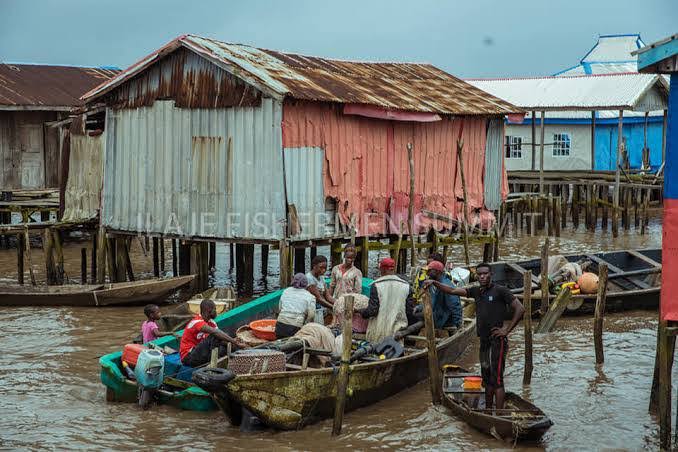
The Ilaje people inhabit the riverine areas of Ondo State in south-western Nigeria and are widely recognised for their deep connection to water and aquatic life. Their communities are heavily concentrated around mangrove forests, creeks and the Atlantic coastline, making the terrain vastly different from most inland settlements across the country.
Igbokoda serves as the administrative headquarters of Ilaje Local Government Area and is also an important commercial centre known for fishing, timber trading and maritime activities. The region is rich in natural resources and remains one of Ondo State’s major oil-producing areas.
According to local accounts, the unique geographical nature of Ilaje land makes it particularly challenging for criminal groups to operate freely. Transportation within many of the communities is largely carried out by boats and waterways due to the swampy terrain and widespread network of creeks. For outsiders unfamiliar with the environment, navigating the area can be extremely difficult.
This natural landscape has indirectly become a form of protection for the people. Unlike many communities connected by major highways and forests often exploited by kidnappers, Ilaje’s riverine setting presents significant obstacles to criminal operations. Many of Ilaje residents are experienced fishermen and skilled water navigators, they posses a strong understanding of the waterways that outsiders may struggle to access.
However, life in Ilaje is not without challenges. The area faces serious environmental threats, particularly from coastal erosion and ocean surges caused by the Atlantic Ocean. Flooding and rising sea levels have destroyed homes, displaced families and damaged infrastructure in several communities over the years.
Despite these hardships, the resilience of the Ilaje people continues to stand out. Their ability to adapt to life along the coast, combined with the difficult terrain of the region, has helped preserve a sense of security that many other Nigerian communities can only hope for.
As insecurity continues to dominate national conversations, communities such as Ilaje offer an interesting example of how geography and local knowledge can influence safety and survival. For many observers, the riverine settlement remains one of the few places in Nigeria where bandits and kidnappers may find it extremely difficult to thrive.
Abiola Alaba Peters, an independent journalist writes from Lagos.
