


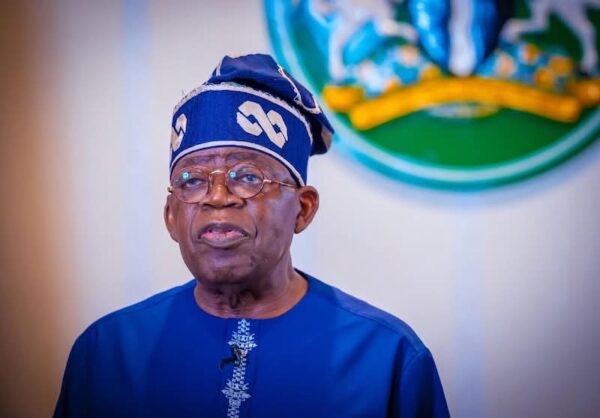
Nigeria’s deepening security challenges are drawing unprecedented international attention, with France, the United States, and key global actors stepping up diplomatic engagement. Over the weekend, President Bola Tinubu held a crucial phone conversation with French President Emmanuel Macron as gun attacks, kidnappings, and allegations of religious persecution continue to dominate global discourse.
France Pledges Stronger Support for Nigeria
French President Emmanuel Macron confirmed on Sunday that he spoke with President Tinubu regarding the escalating insecurity in Nigeria, especially in the northern region. Posting on X, Macron expressed France’s solidarity and pledged deeper cooperation.
“At his request, we will strengthen our partnership with the authorities and our support for the affected populations,” he wrote, calling on international partners to avoid being “spectators.”
The exchange came at a time when Nigeria is reeling from repeated bandit attacks, mass abductions, and widespread anxiety in schools and rural communities.
US Delegations Intensify Scrutiny and Engagement
While Macron and Tinubu were speaking, a high-profile U.S. delegation was meeting with Nigeria’s National Security Adviser, Nuhu Ribadu, in Abuja. Their discussions touched on counter-terrorism, regional stability, and contentious allegations of Christian persecution—claims the Nigerian government firmly denies.
Ribadu confirmed the visit, describing it as part of “ongoing security consultations” and aimed at strengthening Nigeria–U.S. cooperation. The U.S. Ambassador to Nigeria, Richard Mills, was also in attendance.
Another U.S. lawmaker, Riley Moore, revealed he had completed what he called a “very productive visit” to Nigeria but offered no further details on the officials he met.
In Benue State, yet another U.S. team held private meetings with Governor Hyacinth Alia, Catholic bishops, and the Tor Tiv. Although the purpose was undisclosed, the visit coincides with ongoing debates in Washington over Nigeria’s re-designation as a “Country of Particular Concern” for religious freedom violations.
A Country Under Pressure
All these diplomatic activities come at a crucial moment for the Tinubu administration. In late November, the President declared a national security emergency, ordering expanded recruitment across the armed forces, police, and intelligence agencies. He also tasked governors with strengthening local early-warning systems and demanded heightened protection for schools, farms, and worship centres.
Tinubu also recently appointed a new Minister of Defence, General Christopher Musa (retd.), who has been charged with delivering quick, measurable results.
Benue, Allegations of Genocide, and a Divided Narrative
Benue State remains a focal point of global concern. While the Tor Tiv and several religious leaders describe the killings as “genocide,” Governor Alia insists no such pattern exists. The disagreement highlights the complex political and ethnic dimensions of the crisis.
Local leaders argue the U.S. delegation should have been shown affected communities like Yelwata, where nearly 200 people were killed in a single attack.
A Ray of Hope: Reported Release of 100 Kidnapped Pupils
In Niger State, there are reports—yet to be officially confirmed—that 100 schoolchildren abducted from St. Mary’s Catholic School in Papiri may have been released. The abduction of 315 individuals last month sparked national outrage, although 50 later escaped.
Ribadu, who visited the school last week, reassured parents that the children would be rescued, insisting:
“God is with them… Evil will never win.”
Northern Leaders Challenged to Take Responsibility
The worsening crisis has rekindled debates about leadership in Northern Nigeria. Former presidential candidate Gbenga Hashim argued that decades of failed governance have fueled extremist recruitment, turning vast sections of the North into fertile ground for violence.
He welcomed the appointment of the new Defence Minister but warned that “this is not the season for symbolism… Nigerians want results.”
Hashim also renewed calls for state and local government policing, saying Nigeria cannot secure itself with a centralized system alone.
Experts Warn of a ‘Poverty–Insecurity Trap’
At a memorial conference in Kaduna, Professor Abubakar Siddique of Ahmadu Bello University delivered a grim assessment: northern Nigeria has become the epicenter of poverty, unemployment, and violent extremism.
He highlighted:
- 65% of Nigeria’s multi-dimensionally poor population lives in the North
- 10 million Nigerian children are out of school—60% from the North
- Youth unemployment exceeding 50% in some states
- 350,000 hectares lost annually to desertification
He warned that these intersecting crises form a “poverty–insecurity trap” threatening Nigeria’s unity.
Remembering General Hassan Katsina
The conference also honoured the late General Hassan Katsina, who helped lead Nigeria through the Civil War. Speakers praised his leadership, integrity, and contributions to national cohesion—qualities many argue are desperately needed today.
