


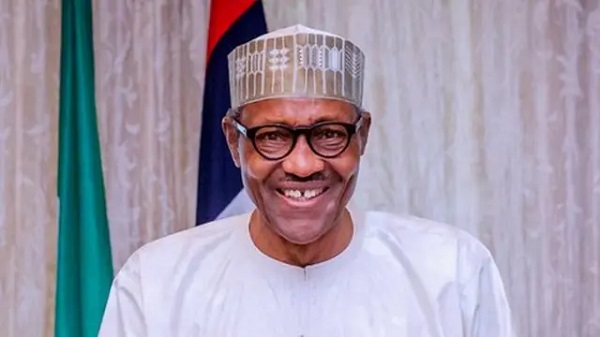
Despite repeated promises to overhaul Nigeria’s ailing health sector, Nigerians spent a staggering $29.29 billion on foreign medical treatment during President Muhammadu Buhari’s eight-year administration — a revelation that underscores a systemic failure in domestic healthcare delivery and policy execution.
This startling figure, extracted from Central Bank of Nigeria’s quarterly statistical bulletins and reviewed by The PUNCH, amounts to an average $3.6 billion annually between June 2015 and May 2023, under the “Health-Related and Social Services” category.
The report lays bare a troubling contradiction: while Buhari publicly decried medical tourism and even proposed ending it, his administration presided over one of the most prolific outflows of medical-related foreign exchange in Nigeria’s history.
A Breakdown of the Spending
- First year (2015–2016): $7.81bn — highest single-year expenditure, with September 2015 alone seeing $3.2bn in outflows.
- Lowest year (2018–2019): $0.44bn — a rare dip possibly linked to tightening economic conditions and exchange controls.
- Second term total (2019–2023): $16.56bn — surpassing first term’s $12.73bn, driven by post-COVID pent-up demand.
- Final year (2022–2023): $7.12bn — second-highest annual spend, with January 2023 alone recording $2.3bn.
Critics: Broken Promises, Unfixed System
Medical professionals, human rights advocates, and critics of the former administration have called the pattern a damning indictment of Nigeria’s political elite and its abandonment of public healthcare.
Dr. Tope Osundara, President of the Nigerian Association of Resident Doctors:
“It’s more like building a company, investing in it, then refusing to use the product while telling others to trust it. Something is fundamentally broken in the system.”
Prof. Bala Audu, President of the Nigerian Medical Association:
“While people have a right to choose where to get care, the consistent reliance on foreign hospitals despite budget allocations speaks to misplaced priorities.”
Even more telling, Buhari himself was frequently absent from the country for medical purposes, spending at least 225 days abroad for treatment, mostly in the United Kingdom, and visiting 40 countries during his presidency.
Buhari’s Medical Trips: A Timeline
- First medical trip: February 5, 2016 – six days in London.
- Longest trip: May 2017 – 104 days in London for an undisclosed illness.
- Final medical check-up trip: October 31, 2022 – approximately two weeks.
- Total known medical trips: Eight.
- Total days abroad for medical reasons: At least 225.
Former spokesman Femi Adesina defended the practice, saying:
“He has used the same medical team for about 40 years. If he had tried to prove a point by staying in Nigeria, he could have long been dead.”
Yet critics argue that Buhari’s medical absences — especially during nationwide doctors’ strikes and budget crises — symbolized everything wrong with governance in the sector.
State of Local Healthcare: Underfunded and Underused
Ironically, despite Nigeria’s significant budgetary allocations to healthcare — including over ₦1 billion annually to the State House Clinic, where presidents and top officials are supposed to receive treatment — even these elite-focused facilities reportedly lack basic equipment and medications.
Political leaders, including governors and federal lawmakers, continue to opt out of the very system they preside over, effectively endorsing the narrative that Nigeria’s hospitals are unfit even for basic treatment.
In one startling anecdote, General Abdulsalami Abubakar revealed that he and Buhari were admitted to the same hospital in London shortly before Buhari’s death, further affirming the elite’s disconnection from the system they oversee.
Medical Tourism: Economic Drain and National Shame
Beyond moral questions, the data represents a crippling economic cost:
- $29.29 billion could fund thousands of modern hospitals, equip teaching institutions, and train tens of thousands of doctors and nurses.
- The capital flight associated with medical tourism depletes foreign reserves and exacerbates the brain drain already plaguing the sector.
Health experts also warn that the trend reinforces inequality, with ordinary Nigerians left behind in collapsing local hospitals while their leaders fly out for everything from routine check-ups to complex surgeries.
As President Bola Tinubu faces mounting pressure to address the nation’s health infrastructure, the shadow of Buhari’s medical tourism legacy looms large. Tinubu himself has previously travelled abroad for medical reasons, raising concerns that the cycle may continue.
Calls are growing for a legislative ban or strict regulation of publicly funded foreign medical trips, alongside demands for transparent investment in local healthcare capacity.
Until that happens, many fear that $29 billion may only be the beginning — a price Nigeria pays not just in dollars, but in lives, trust, and dignity.
