


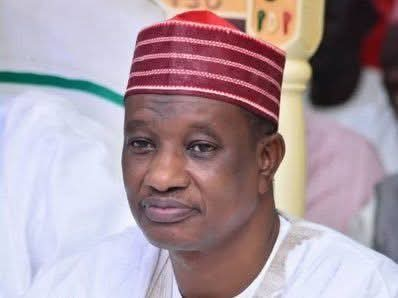
The Deputy Governor of Kano State, Aminu Abdussalam Gwarzo, has stepped down from his position, according to an official confirmation on Friday.
His spokesperson, Ibrahim Shuaibu, acknowledged the development in a brief statement, confirming that the resignation had been formally submitted. However, no further details were provided regarding the circumstances behind the decision.
Gwarzo’s departure comes at a time of heightened political tension within the state. In recent days, the Kano State House of Assembly had raised a number of concerns about his conduct in office, including allegations relating to the performance of his official duties. Lawmakers were reportedly considering disciplinary measures, fuelling speculation about a potential political crisis.
Although no direct link has been established, the resignation follows a series of significant political changes in Kano. These shifts were triggered by Governor Abba Yusuf’s recent move to the All Progressives Congress, a decision that has led to a broader realignment within the state’s political structure.
Since the defection, the governor has initiated several administrative changes aimed at reshaping governance. These include the removal of the Head of Service, Abdullahi Musa, as well as the dismissal of the Commissioner for Investment, Commerce and Industry, Shehu Wada Sagagi. The actions have been presented as part of efforts to improve efficiency and strengthen institutional discipline.
Political analysts suggest that the developments reflect a wider strategy to consolidate authority under the new political arrangement and streamline the workings of government.
While details surrounding the allegations against Gwarzo remain unclear, sources within the Assembly indicated that the matter had been under review prior to his resignation.
Attempts to obtain additional comments from the Kano State Government were unsuccessful at the time of reporting.
Gwarzo’s resignation is expected to set in motion constitutional procedures for the appointment of a new deputy governor, subject to approval by the State House of Assembly.
Observers believe the move could have further implications for Kano’s political landscape, particularly as alignments continue to evolve ahead of future elections.
