


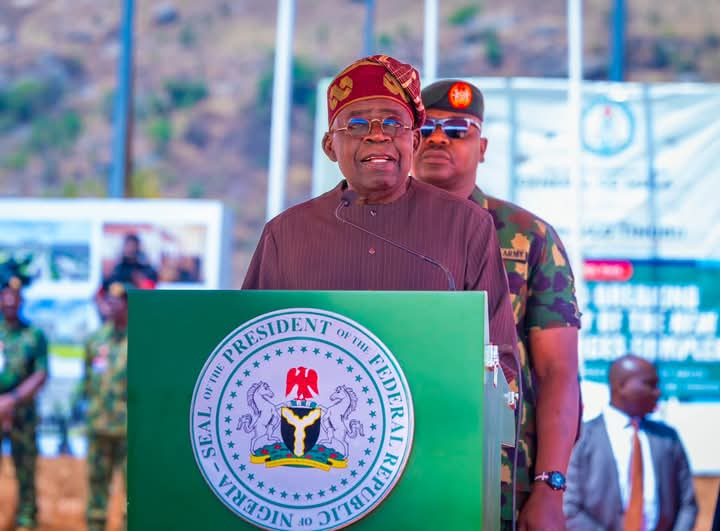
As Nigeria marks its 65th Independence anniversary, President Bola Ahmed Tinubu delivered a message of hope and resilience to the nation. In a national broadcast on Wednesday, he assured Nigerians that the country is turning a corner — and that the hardest days are now behind us.
“The Worst is Over”
Addressing the nation, President Tinubu acknowledged the economic and social challenges many have faced in recent years. But he struck an optimistic tone:
“I am pleased to report that we have finally turned the corner. The worst is over, I say. Yesterday’s pains are giving way to relief.”
It’s been nearly a year and a half since Tinubu took office in May 2023, and he says his administration made a conscious decision to prioritize long-term gains over short-term comfort. That meant tough decisions, such as removing fuel subsidies and unifying exchange rates — moves that initially caused economic pain but, he argues, were necessary to reset the country on a sustainable path.
Key Achievements and Economic Indicators
According to the President, these reforms are beginning to pay off. Here are some highlights he shared:
- GDP Growth: Nigeria’s economy grew by 4.23% in Q2 2025 — the fastest pace in four years.
- Inflation: Now down to 20.12%, the lowest in three years.
- Foreign Reserves: Up to $42.03 billion.
- Non-oil Exports: Increased to 48% of total trade, with manufactured exports rising by 173%.
- Oil Production: Recovered to 1.68 million barrels per day.
- Local Refining: Restarted after 40 years — now producing aviation fuel for export.
- Stock Market & Credit Ratings: Showing signs of revival with renewed investor confidence.
- Tax-to-GDP Ratio: Improved to 13.5%, indicating better revenue collection.
Focus on Education, Health, and Youth
President Tinubu emphasized the growth in education infrastructure: from just two tertiary institutions in 1960 to 274 universities, 183 polytechnics, and 236 colleges of education today. He highlighted ongoing investments in healthcare, youth empowerment, and digital innovation.
Notable youth-focused initiatives include:
- Nigeria Education Loan Fund: Over 500,000 students supported.
- Credicorp & YouthCred: Credit access for housing, devices, and resettlement.
- $600M iDICE Programme: Backed by global partners to grow the digital and creative economy.
Social Investment and Infrastructure
The President also pointed to expanded social support, with ₦330 billion disbursed to eight million households, and ongoing upgrades to roads, railways, ports, and airports — including massive projects like the Lagos-Calabar Coastal Highway and the Eastern Rail Project.
Security Gains and National Unity
Tinubu praised Nigeria’s armed forces for victories against insecurity — from Boko Haram in the Northeast to banditry and kidnapping across other regions. According to him, thousands of displaced Nigerians have now returned home to rebuilt communities.
A Message to Nigerians: “Stay the Course”
While recognizing that reforms have come with “temporary pains,” the President argued that these were preferable to economic collapse:
“The alternative of allowing our country to descend into economic chaos or bankruptcy was not an option.”
He ended with a call to action — for productivity, unity, and a collective belief in the “Made-in-Nigeria” dream:
“Let us be a nation of producers, not just consumers… Let all hands be on deck. With Almighty God on our side, the dawn of a new, prosperous, self-reliant Nigeria is here.”
President Tinubu’s Independence Day speech was, at its core, a message of cautious optimism. While the economic pain is real and ongoing for many Nigerians, he is asking for patience and faith in the reforms — and pledging continued support to those who need it most.
Only time will tell if the path chosen leads to the prosperity he promises. But for now, the message is clear: Nigeria is rising — slowly, steadily — and the future may just be brighter.
